
Why Football Deserves a Spot in Your Fitness Routine: The Complete Physical and Mental Health Case
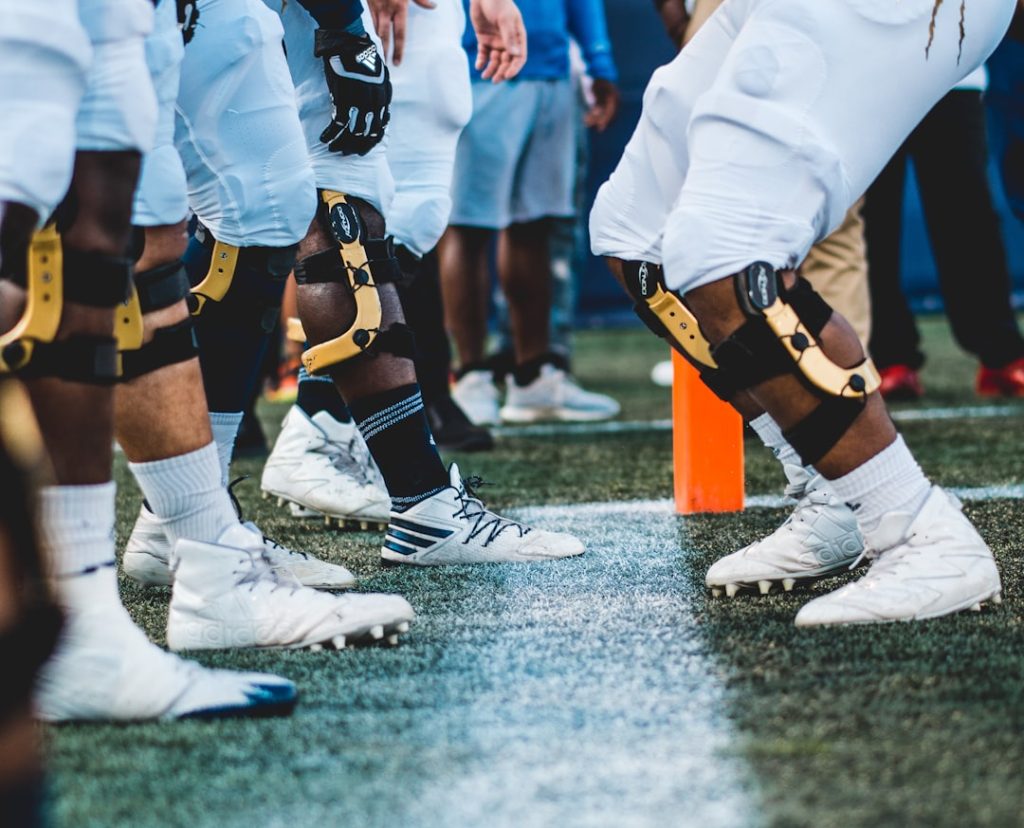
With major international tournaments capturing global attention, there’s never been a better time to examine why football stands out as one of the most comprehensive forms of exercise available. Having observed countless fitness trends come and go, I believe football offers something truly unique – a perfect storm of physical conditioning, mental stimulation, and social connection that most gym routines simply can’t match.
The Cardiovascular Revolution on the Pitch
What sets football apart from traditional cardio workouts is its natural interval training structure. Dr Sam Botchey, a consultant in musculoskeletal, sport, and exercise medicine at HCA UK at The Shard, accurately describes it as involving repeated cycles of jogging, sprinting, direction changes, and recovery periods. This isn’t your monotonous treadmill session – it’s dynamic, unpredictable, and remarkably effective.
In my view, this variability is exactly what makes football superior to standard gym cardio. Your heart rate fluctuates naturally based on game demands rather than artificial machine settings, creating a more realistic and sustainable fitness foundation.
Building Functional Strength That Actually Matters
The full-body engagement in football addresses a critical gap I see in modern fitness culture. While people obsess over isolated muscle groups in gyms, football naturally incorporates sprinting, jumping, tackling, and deceleration – movements that load your body from multiple angles simultaneously.
This multi-directional stress pattern is particularly valuable for aging adults, though I’d argue it benefits everyone. The sport specifically targets lower-limb strength through intense quadriceps and calf engagement, while the constant brain-body coordination dramatically improves balance and proprioception.

Dr Botchey’s observation about the scanning, ball control, and opponent avoidance aspects rings true – you’re essentially training your nervous system while building muscle. This neuromuscular control development is something you simply cannot replicate with traditional weight training alone.
Weight Management Without the Misery
Here’s where football truly shines, and why I recommend it over conventional weight loss approaches. The sport’s high-energy, varied nature naturally improves body composition and insulin sensitivity while promoting fat loss when combined with proper nutrition.
But the real game-changer is the enjoyment factor. Dr Botchey hits the nail on the head – people sustain activities they actually enjoy. This is why football succeeds where so many diet and exercise programs fail. You’re not counting calories burned on a machine; you’re having fun while your body transforms.
The Mental Health Advantage Nobody Talks About
The psychological benefits of football deserve more recognition in our mental health conversations. The sport teaches emotional regulation and resilience through real-time challenges – skills that transfer directly to daily life stress management.
Danny Potter, football coaching and performance programme lead at the University of Chichester, makes an excellent point about football serving as “social currency.” In our increasingly isolated digital world, this team-based connection is invaluable. The friendships formed through shared struggles and victories often last lifetimes.

I particularly appreciate Potter’s insight about football providing “a really great release” from screen time and life stressors. The routine involvement creates structure, purpose, and achievement – elements crucial for mental wellbeing that many people lack in their daily lives.
Getting Started: Practical Steps for Real People
For those inspired to begin, Potter’s advice to contact your local county FA is spot-on. The beauty of football lies in its accessibility – from recreational and walking football to competitive leagues, there’s truly something for everyone regardless of age or skill level.
The minimal equipment requirement and ability to play virtually anywhere removes the common barriers that prevent people from starting new fitness routines. However, Dr Botchey’s injury prevention warnings are crucial and often ignored.
Who This Works For (And Who Should Think Twice)
Football is ideal for people seeking comprehensive fitness with social elements, those bored by traditional gym routines, and individuals who need accountability through team commitment. It’s particularly valuable for young people developing coordination and older adults maintaining functional strength.
However, it’s not suitable for everyone. People with serious joint issues, those who prefer solo activities, or individuals uncomfortable with competitive environments might find better alternatives. The injury risk, while manageable with proper preparation, is real and shouldn’t be dismissed.
The key insight Dr Botchey provides about recreational injuries occurring when people jump from sedentary to high-intensity activity is critical. Build up gradually, warm up properly, and incorporate strength training alongside your football participation.
In conclusion, football offers a unique combination of physical, mental, and social benefits that few other activities can match. While it requires commitment and careful progression, the comprehensive health returns make it an investment worth considering for most people seeking a more engaging approach to fitness.
Photo by Deon A. Webster on Unsplash
Photo by Ruben Leija on Unsplash