
Rediscovered Classic Horror Film Footage Emerges After Decades, Finally Available to American Audiences
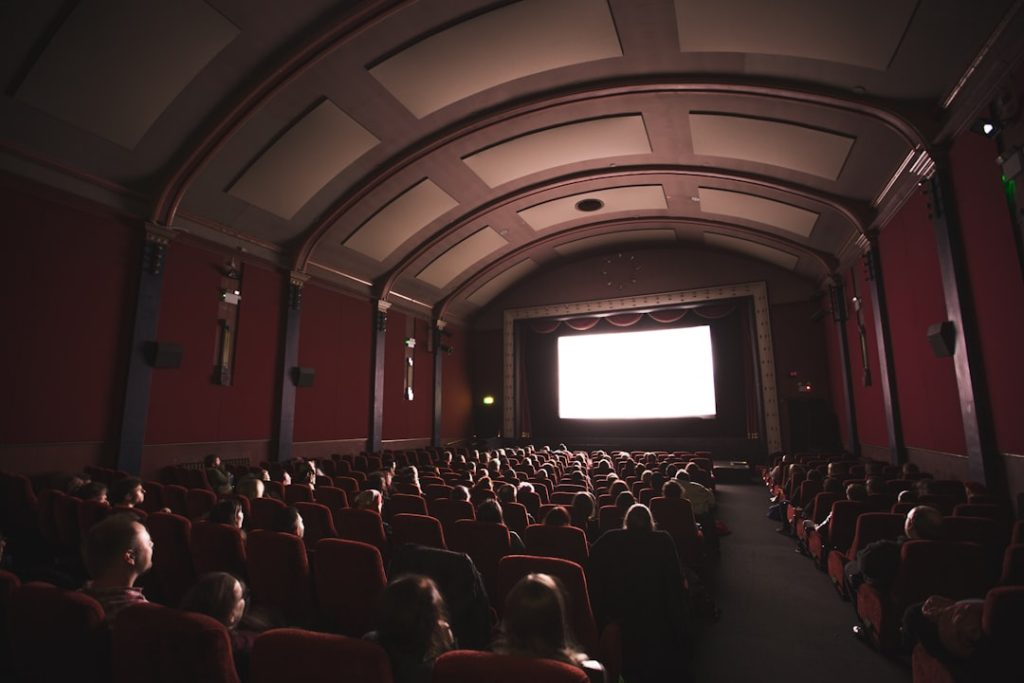
The world of classic cinema has been treated to an extraordinary discovery that I believe will thrill horror enthusiasts and film historians alike. Previously lost footage from a legendary vampire film has been unearthed after remaining hidden for decades, and what makes this find particularly fascinating is its notorious reputation for causing viewers to lose consciousness during its original theatrical run.
This rediscovery represents more than just another piece of film history—it’s a window into an era when cinema had the raw power to physically overwhelm audiences. I find it remarkable that in our age of desensitized viewers accustomed to extreme content, we’re getting the chance to experience what once sent people into fainting spells.
The Power of Lost Cinema
What strikes me most about this development is how it highlights the profound impact that early horror films had on their audiences. These weren’t viewers who had been gradually exposed to increasingly intense content over decades. They were experiencing something genuinely shocking and unprecedented, which explains the physical reactions.

For serious film collectors and horror aficionados, this discovery is absolutely invaluable. These are the people who understand that cinema history isn’t just about entertainment—it’s about cultural moments that shaped how we consume media. However, casual viewers expecting modern horror standards might find themselves underwhelmed by what once terrified audiences.
Who Should Care About This Find
I believe this rediscovered footage will primarily appeal to three distinct groups. First, academic researchers studying the evolution of horror cinema will find this material essential for understanding how the genre developed its visual language. Second, collectors of rare film materials will likely view this as a significant addition to preservation efforts. Third, horror enthusiasts with an appreciation for the genre’s roots should find genuine value in experiencing these foundational moments.
On the other hand, viewers seeking immediate thrills or those unfamiliar with silent-era filmmaking techniques might struggle to appreciate what makes this discovery special. The pacing, visual effects, and storytelling methods of this era require a different kind of engagement than modern audiences typically expect.

The Broader Impact on Film Preservation
What I find most encouraging about this discovery is what it represents for film preservation efforts worldwide. Every piece of recovered footage reminds us that countless hours of early cinema remain lost, possibly forever. This find should serve as motivation for continued investment in preservation technology and archival research.
The fact that American viewers are gaining access to this material for the first time also highlights how geographic limitations have historically affected film distribution. In our interconnected world, it’s easy to forget that many cinematic treasures remained regionally confined for decades.
This rediscovery ultimately matters because it connects us to cinema’s ability to create genuine, physical reactions in audiences—something that feels increasingly rare in our current media landscape. Whether this footage will have the same impact on contemporary viewers remains to be seen, but its historical significance is undeniable.
Photo by Jake Hills on Unsplash
Photo by Noom Peerapong on Unsplash
Photo by Daniel Guerra on Unsplash