
When Flexibility Becomes a Medical Mystery: The Hidden Dangers of Hypermobility
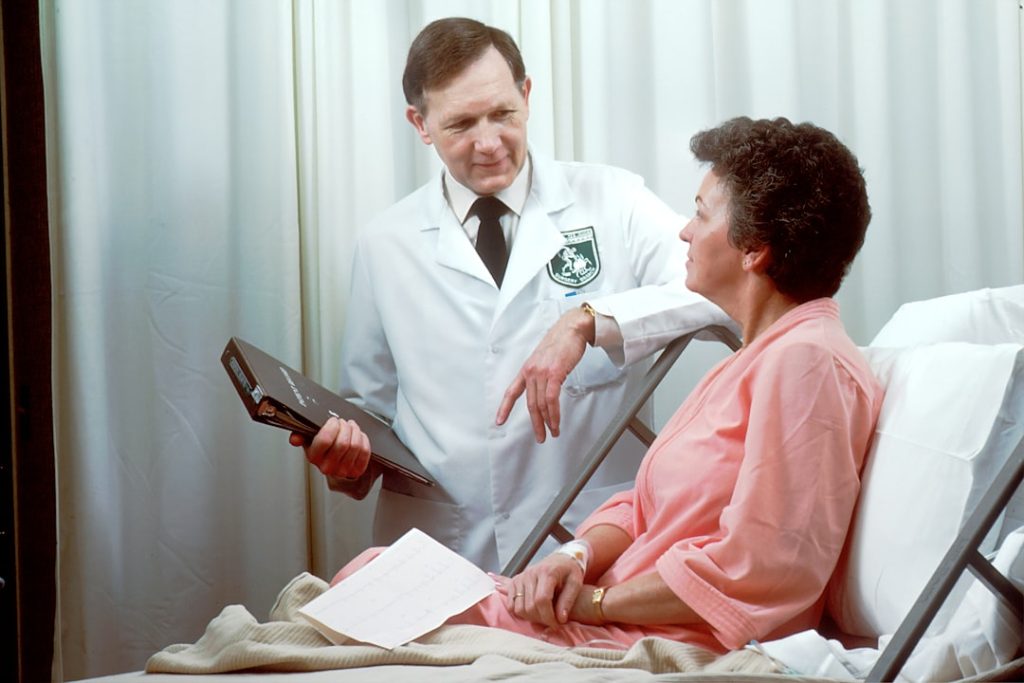
What started as impressive flexibility demonstrations at social gatherings has evolved into a profound medical journey for one young woman, highlighting how easily we can mistake serious health conditions for harmless quirks. This case perfectly illustrates why we need to take unusual physical symptoms seriously, even when they initially appear benign or even entertaining.
Lavender Blackthorne’s experience represents a troubling pattern I’ve observed in healthcare: the tendency to dismiss unusual symptoms, particularly in young people, until they become undeniably severe. Her story began at age six when her joints started dislocating spontaneously, and her skin could stretch an alarming 10 centimeters outward. Rather than raising immediate medical concern, these symptoms were initially viewed as amusing party tricks.
I find it particularly concerning that it took until her twenties to receive a formal diagnosis of Ehlers-Danlos syndrome, despite symptoms manifesting in childhood. This delay is unfortunately typical for rare conditions, and it raises important questions about medical training and awareness of connective tissue disorders.
The progression of Blackthorne’s condition is both heartbreaking and instructive. By age 12, easy bruising and severe anemia had developed. At 14, her legs became visibly deformed, and heart complications emerged, forcing doctors to restrict her to walking-only exercise. The cascade of symptoms – from joint dislocations to heart valve problems to an unidentified autoimmune condition – demonstrates how interconnected our body systems truly are.

What strikes me most about this case is the psychological toll. Blackthorne’s candid discussion of suicidal thoughts and social isolation resonates with many chronic illness sufferers. The combination of physical limitations, social stigma, and diagnostic uncertainty creates a perfect storm for mental health challenges. Her experience dropping out of metalwork studies because lifting a hammer dislocated her wrist illustrates how these conditions can derail life plans in unexpected ways.
This story is particularly relevant for parents and educators who might encounter children with unusual flexibility or frequent injuries. Too often, hypermobile children are labeled as “clumsy” or attention-seeking rather than receiving proper medical evaluation. Healthcare providers, especially in primary care settings, need better training to recognize early signs of connective tissue disorders.
For young adults experiencing unexplained joint problems, chronic fatigue, or unusual skin elasticity, Blackthorne’s journey offers both warning and hope. Her current symptoms – including mouth bleeding from speaking and severe fatigue – represent the more severe end of the spectrum, but early intervention might prevent such progression in others.
The fundraising aspect of her story highlights a frustrating reality in healthcare systems worldwide. When standard medical channels fail to provide answers, patients often turn to private testing and crowdfunding. While I understand the desperation driving this choice, it also reflects systemic failures in supporting patients with rare conditions.

I’m encouraged by Blackthorne’s decision to pursue music production, adapting her career goals to her physical limitations. This pragmatic approach offers a model for others facing similar challenges. Her improved mental health since returning to university demonstrates the importance of maintaining life goals and social connections despite chronic illness.
However, I worry about the broader implications of her story. How many other young people are struggling with undiagnosed connective tissue disorders? How many are dismissed as hypochondriacs or attention-seekers? The medical community needs to do better at recognizing these conditions early and providing comprehensive support.
For healthcare providers reading this, Blackthorne’s case should serve as a reminder to take unusual symptoms seriously, even in young patients. For patients and families, it underscores the importance of persistent advocacy and seeking multiple medical opinions when symptoms don’t fit typical patterns.
Ultimately, this story isn’t just about one person’s medical journey – it’s about the need for better awareness, earlier intervention, and more compassionate care for those living with rare conditions that can masquerade as mere quirks until they become life-altering disabilities.
Photo by National Cancer Institute on Unsplash
Photo by Towfiqu barbhuiya on Unsplash