
Transform Your Outdoor Space: Smart Strategies for a Multi-Generational Summer Garden
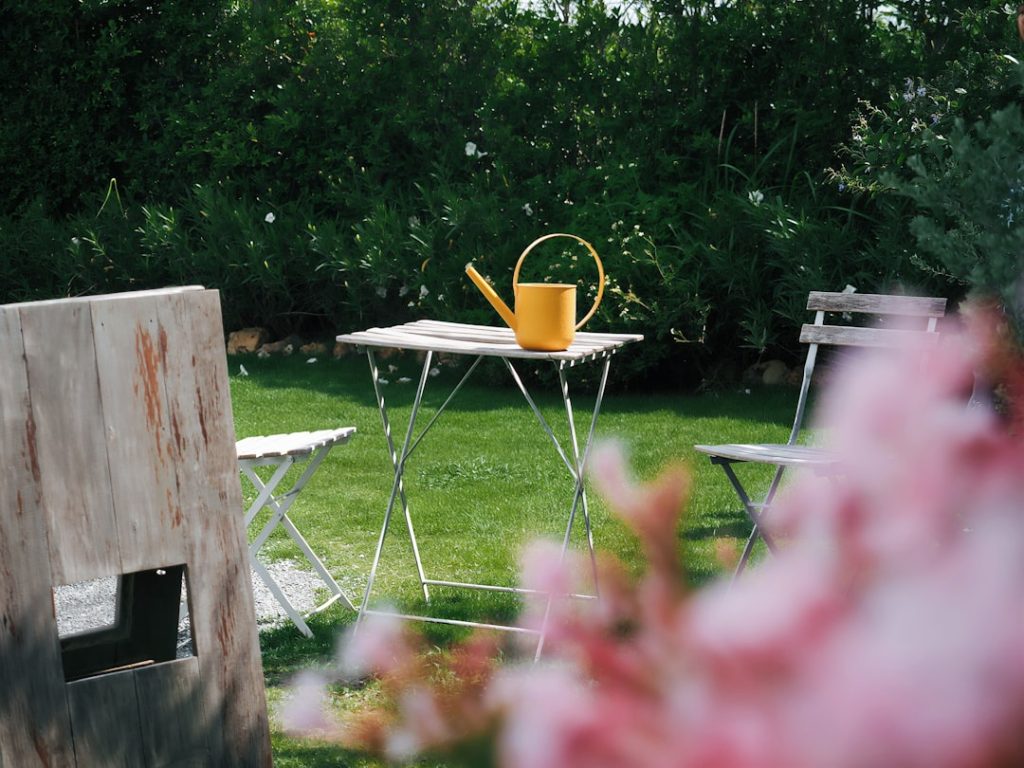
The traditional concept of gardens as mere aesthetic features has fundamentally shifted. Modern homeowners are reimagining these spaces as essential extensions of their living areas, designed to accommodate diverse family needs throughout the warmer months. I believe this evolution represents one of the most significant changes in residential design philosophy we’ve seen in recent years.
Strategic Space Division Creates Harmony
The key to successful outdoor living lies in thoughtful spatial organization. Rather than maintaining one sprawling area that inevitably becomes cluttered and chaotic, smart homeowners are embracing compartmentalized design. This approach particularly benefits families with varying age groups and interests.
I’ve observed that well-defined zones eliminate the constant negotiation between family members seeking different experiences. A dedicated quiet corner with comfortable seating serves adults who want peaceful moments, while designated play areas keep children engaged and contained. The beauty of this system is its ability to maintain visual connection while providing functional separation.
What makes this strategy especially effective is the use of natural boundaries—strategic plantings, varied ground materials, or subtle level changes—that create distinction without isolation. This matters significantly for parents who need to supervise while still enjoying their own relaxation time.
Adaptable Furniture Solutions Drive Functionality
The traditional approach of fixed outdoor furniture arrangements simply doesn’t work for dynamic family environments. I strongly advocate for modular and moveable pieces that can transform throughout the day and across different occasions.

This flexibility becomes crucial during peak summer entertaining periods. Morning coffee requires intimate seating arrangements, while evening gatherings demand expanded configurations. Families who invest in versatile outdoor furniture find themselves using their gardens far more frequently than those locked into rigid setups.
The real value emerges for households that regularly host multigenerational gatherings. Grandparents benefit from supportive seating options, while younger family members appreciate casual lounging areas. This isn’t just about comfort—it’s about creating inclusive environments where everyone feels welcome.
Automated Maintenance Technology Changes Everything
Garden maintenance has historically been the primary barrier preventing families from fully utilizing their outdoor spaces. The emergence of robotic lawn care systems represents a genuine game-changer for busy households.
I believe automated mowing technology particularly benefits working parents who previously sacrificed weekend leisure time to garden upkeep. These systems operate independently, maintaining pristine conditions without human intervention. The psychological impact cannot be overstated—knowing your outdoor space remains presentation-ready eliminates significant stress.
However, this technology isn’t suitable for everyone. Households with very small gardens may find the investment disproportionate, while those who genuinely enjoy traditional gardening activities might feel disconnected from the process. The key is honest assessment of your priorities and lifestyle demands.

Multi-Purpose Features Maximize Investment
The most successful outdoor renovations focus on elements that serve multiple functions across different seasons and family stages. I consistently recommend features that adapt rather than those serving single purposes.
Raised planting areas exemplify this principle perfectly. They provide visual structure, create natural boundaries, offer gardening opportunities for various skill levels, and can incorporate seating elements. Similarly, pergolas serve as architectural focal points while providing shade and supporting climbing plants.
This approach particularly benefits families planning long-term residence in their homes. Children’s play equipment eventually becomes obsolete, but thoughtfully designed structural elements continue providing value as family needs evolve.
Future-Focused Design Principles
The most critical consideration in outdoor space planning involves anticipating changing requirements over time. I’ve seen too many families invest significantly in gardens that become impractical as circumstances shift.
Accessibility considerations become increasingly important as family members age. Wide pathways, level surfaces, and strategically placed seating areas ensure continued usability regardless of mobility changes. This forward-thinking approach prevents costly retrofitting later.
The families who achieve the greatest satisfaction from their outdoor investments are those who prioritize adaptability over trendy features. While Instagram-worthy elements may provide immediate gratification, practical functionality delivers lasting value.
Creating truly successful family outdoor spaces requires balancing immediate needs with long-term vision. The most rewarding gardens are those that genuinely enhance daily life rather than simply looking impressive. When designed thoughtfully, these spaces become the heart of family life throughout the summer months and beyond.
Photo by Truong Tuyet Ly on Unsplash
Photo by Tatyana Rubleva on Unsplash
Photo by Connie de Vries on Unsplash