
The Troubling Trend of Marketing Adult Products to Look Like Children’s Treats
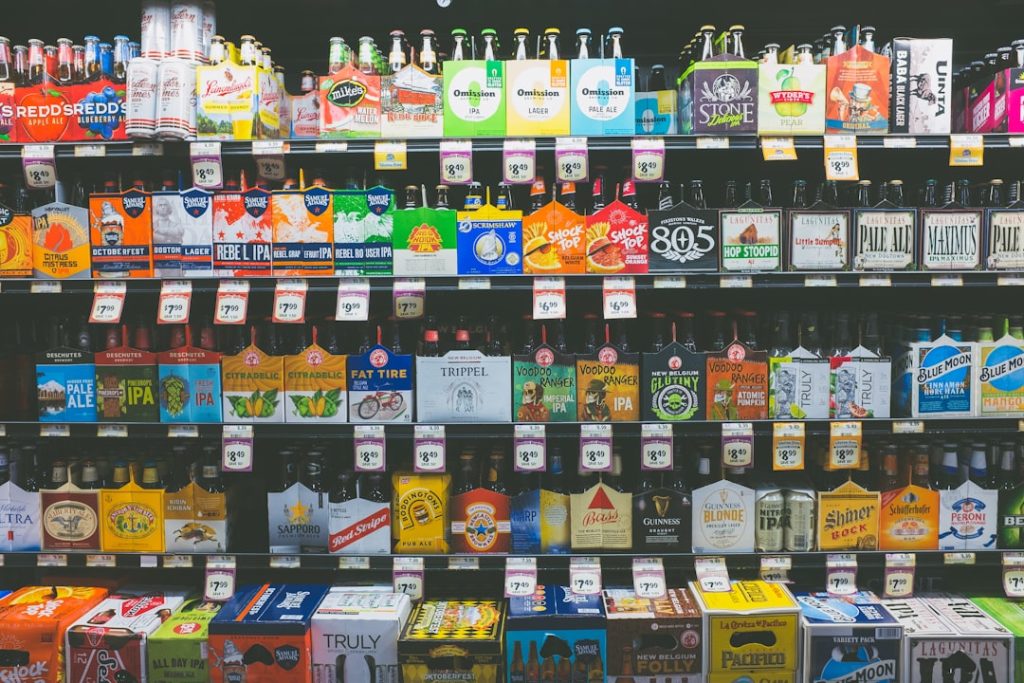
The alcohol and tobacco industries have taken a concerning turn in recent years, designing products that look suspiciously like they belong in a candy store rather than behind the counter of an adult establishment. This trend represents a fundamental shift in how companies are marketing potentially harmful substances, and frankly, it’s deeply troubling.
Consider the latest wave of alcoholic shots hitting the market with names like “Blue Raspberries” and “Bananas.” These aren’t your typical adult beverages – they’re packaged in bright, cartoonish bottles with rainbow colors and playful fonts that would make a children’s cereal jealous. The most concerning example is the “99” shot series, priced at just 99 pence and deliberately evoking memories of ice cream treats.
What makes this particularly insidious is the deceptive nature of these products. While they may look like harmless candy, these shots pack an enormous punch at 49.5% alcohol content – nearly equivalent to drinking straight vodka. This combination of child-friendly appearance with adult-strength alcohol creates a dangerous cocktail that I believe crosses ethical lines.
The Spherical Cocktail Phenomenon
The trend extends beyond simple shots to pre-made cocktails packaged in colorful spherical containers. These products have exploded in popularity since 2022, becoming the fastest-growing ready-to-drink segment in the UK market. The round, toy-like packaging and flavors such as “Berry Cherry Limeade” and “Choc Tease” clearly aren’t targeting sophisticated adult palates.

In my opinion, this marketing strategy is particularly cynical because it exploits nostalgia while simultaneously appealing to younger demographics. The companies behind these products claim they’re targeting adults with 1990s and early-2000s cultural references, but this explanation feels disingenuous when the end result looks indistinguishable from children’s products.
A Broader Pattern of Infantilization
This issue extends far beyond alcohol. The vaping industry has perfected the art of making adult products look like children’s toys, complete with cartoon packaging and flavors like bubblegum and cotton candy. Energy drink manufacturers have similarly targeted young consumers with aggressive marketing campaigns that contribute to health issues including anxiety, sleep disruption, and poor academic performance.
I find the vaping trend particularly troubling because it represents a complete reversal of decades of public health progress. We spent generations educating people about the dangers of smoking, only to watch a new industry emerge that makes nicotine consumption look fun and harmless through juvenile branding.
Who Benefits and Who Suffers
The primary beneficiaries of this trend are obviously the companies manufacturing these products. By making adult substances appear approachable and fun, they’re expanding their market reach and creating brand loyalty among younger consumers who might otherwise avoid their products.

However, the costs are borne by society as a whole. Parents face the impossible task of explaining why some colorful, sweet-looking products are dangerous while others are harmless. Healthcare systems deal with the consequences of increased youth consumption of alcohol, nicotine, and caffeine. Most importantly, young people themselves suffer the health consequences of products specifically designed to circumvent their natural caution.
Regulatory Response and Industry Accountability
The government has begun responding to these concerns, particularly regarding high-caffeine energy drinks. New regulations will ban the sale of these products to children under 16, affecting an estimated 100,000 daily consumers. This represents a positive step, but I believe it’s only the beginning of what needs to be comprehensive reform.
Industry representatives defend their practices by claiming they follow existing marketing standards and age verification requirements. However, this misses the fundamental point – when products are designed to look like children’s treats, traditional safeguards become insufficient. The visual appeal transcends marketing restrictions and creates inherent problems.
The Path Forward
This isn’t about being a killjoy or restricting adult choices. Adults should absolutely have the freedom to consume whatever legal products they choose. However, there’s a clear difference between adult-oriented marketing and products that deliberately blur the lines between children’s treats and adult substances.
The solution requires both regulatory action and industry responsibility. Companies need to acknowledge that with the privilege of selling potentially harmful products comes the responsibility to market them appropriately. This means abandoning cartoon aesthetics, candy-inspired flavors, and toy-like packaging in favor of clearly adult-oriented branding.
Ultimately, this trend reflects a broader cultural problem where we’ve normalized the infantilization of adult products. While individual choice remains paramount, we should expect better from industries that profit from substances known to cause harm. The current trajectory serves no one’s interests except corporate balance sheets, and it’s time for meaningful change in how these products are conceived, designed, and marketed.
Photo by David Trinks on Unsplash