
The Revival of Beam Spring Keyboards: A Niche Enthusiast’s Dream
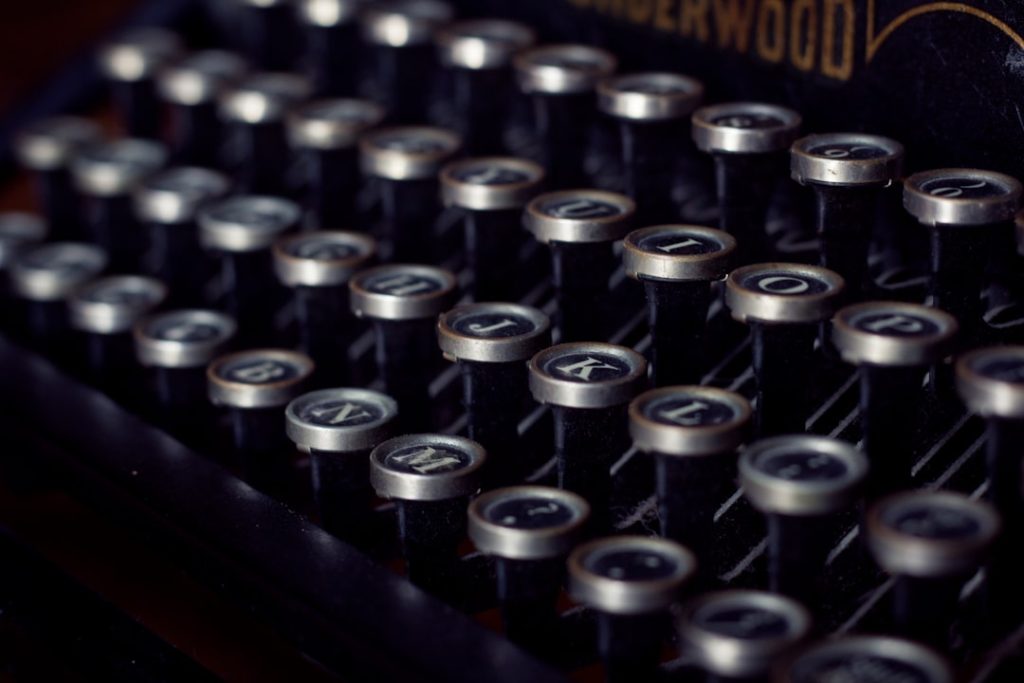
The mechanical keyboard community has witnessed a fascinating resurgence of interest in beam spring technology, a switching mechanism that predates modern mechanical switches by several decades. This revival represents more than just nostalgia—it’s a testament to superior engineering that many believe has never been matched.
Beam spring keyboards utilize a unique buckling mechanism where a spring-loaded beam creates the tactile feedback and electrical contact. Originally developed in the 1960s and 1970s, these keyboards were primarily found in high-end terminals and professional computing equipment. The technology fell out of favor as manufacturing costs became prohibitive and newer, cheaper alternatives emerged.
What makes this revival particularly intriguing is the dedication required from both manufacturers and users. These aren’t keyboards for casual typists or budget-conscious consumers. The manufacturing complexity means prices often exceed $300-500, putting them firmly in luxury territory. I believe this pricing actually works in their favor—it ensures only genuinely committed enthusiasts invest in them.

The typing experience is genuinely distinctive. The beam spring mechanism provides a crisp, authoritative click that’s more pronounced than most modern mechanical switches. There’s a satisfying weight to each keystroke that makes typing feel deliberate and purposeful. However, this comes with trade-offs that make them unsuitable for many users.
The most significant limitation is noise. These keyboards are substantially louder than their modern counterparts, making them impractical for shared workspaces or late-night typing sessions. The sound signature, while pleasant to enthusiasts, can be genuinely disruptive in professional environments.
Size and weight present additional challenges. Beam spring keyboards are typically full-size layouts with substantial heft—often weighing 4-6 pounds. This makes them desktop fixtures rather than portable solutions. For users who frequently move between workstations or prefer minimalist setups, these keyboards simply don’t fit the lifestyle.

Who benefits most from this technology? Writers, programmers, and data entry professionals who spend extensive time typing and appreciate premium tactile feedback will find genuine value. The durability factor is compelling—original beam spring keyboards from the 1970s often still function perfectly today, suggesting these new iterations could last decades.
Conversely, gamers seeking rapid key activation, professionals in quiet environments, or users prioritizing portability should look elsewhere. The technology’s strengths become weaknesses depending on use case and environment.
The revival also raises interesting questions about manufacturing philosophy. In an era of planned obsolescence and cost optimization, companies producing beam spring keyboards are essentially betting that enough consumers value long-term quality over immediate affordability. I find this refreshing, though economically risky.
Market positioning will be crucial for success. These keyboards compete not just with other mechanical options, but with the entire ecosystem of modern input devices. Success depends on effectively communicating value to a narrow but passionate audience rather than attempting broad market appeal.
Photo by Camille Orgel on Unsplash
Photo by André Julien on Unsplash
Photo by TechieTech Tech on Unsplash