
Tech Giant’s Smart Glasses Project Faces Significant Delays Amid Development Challenges
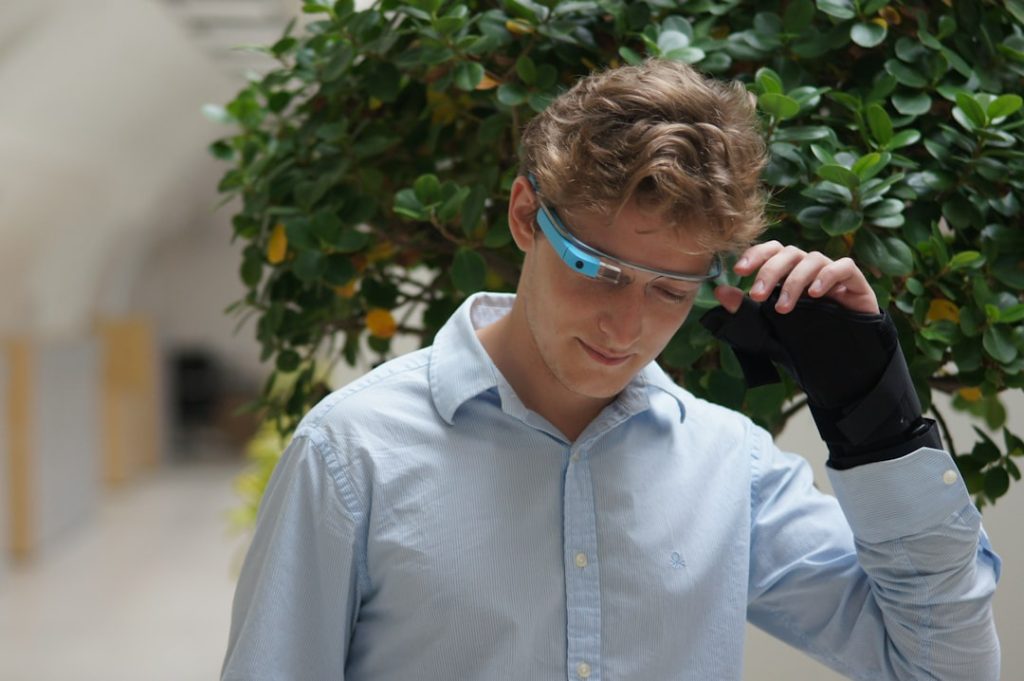
The highly anticipated smart glasses from Cupertino’s tech giant have encountered substantial development hurdles, pushing their expected launch to late 2027 rather than the previously projected early 2027 timeline. This delay represents a significant setback for what many consider a pivotal product in the wearable technology landscape.
In my view, this postponement reveals the inherent complexity of creating truly innovative wearable devices that seamlessly blend fashion with cutting-edge technology. The challenges facing this project likely stem from the difficulty of cramming sophisticated AI capabilities, cameras, and processing power into a form factor that consumers will actually want to wear daily.
According to industry reports, the company’s leadership remains deeply committed to the project despite these setbacks. The current CEO views these glasses as a top priority, while the incoming leadership transition scheduled for September brings fresh perspective to the development team. I believe this leadership change could actually benefit the project, as new eyes often spot solutions that previous teams might have overlooked.
The planned design features sound promising on paper – oval-shaped cameras, distinctive color options, and multiple frame styles designed to differentiate from existing market offerings. However, I’m skeptical about whether these aesthetic choices will be enough to justify what will undoubtedly be a premium price point. The real test will be whether the functionality matches the form factor ambitions.

Market Timing and Competitive Landscape
The smart glasses market remains nascent but is experiencing rapid growth. Recent research indicates the sector expanded by 139% year-over-year in the latter half of 2025, suggesting strong consumer appetite for this technology category. This growth trajectory makes the delay particularly frustrating from a competitive standpoint.
I think this delay could actually work in the company’s favor, allowing them to learn from early market entrants’ mistakes and user feedback. However, it also risks ceding first-mover advantage to competitors who are already shipping products and iterating based on real-world usage data.
Technical Capabilities and User Experience
The proposed feature set includes integrated cameras for photo and video capture, built-in microphones and speakers for communication and media playback, and advanced AI capabilities for voice interaction. The multimodal AI integration represents the most intriguing aspect of this development, potentially offering users a more natural interface than traditional smartphone interactions.
From my perspective, the success of these glasses will hinge entirely on battery life and user interface design. Previous attempts at smart eyewear have failed primarily due to poor battery performance and clunky user experiences. If this company can solve these fundamental issues, they could indeed create a transformative product.

Who Benefits and Who Doesn’t
Early adopters and tech enthusiasts will likely embrace these glasses regardless of initial limitations, viewing them as a glimpse into the future of computing. Business professionals who frequently take calls and need hands-free access to information could find significant value in the productivity applications.
However, I believe mainstream consumers will remain skeptical until the technology proves its daily utility beyond novelty features. Privacy-conscious individuals will likely avoid camera-equipped eyewear entirely, while fashion-forward consumers may reject the aesthetic compromises inherent in current wearable technology.
The health monitoring capabilities mentioned in development reports could appeal to fitness enthusiasts and individuals managing chronic conditions, but only if the accuracy and reliability match dedicated health devices. The augmented reality features, while exciting in concept, will need compelling use cases beyond gaming to justify adoption.
This delay, while disappointing for eager consumers, may ultimately result in a more polished product that better serves user needs. The question remains whether the extended development timeline will allow competitors to establish market dominance before this highly anticipated device finally arrives.
Photo by Oleg Illarionov on Unsplash
Photo by Quang Tri NGUYEN on Unsplash
Photo by Bereczki Domokos on Unsplash