
Social Media Giant Ventures Into Wearable AI Technology with Pendant Device
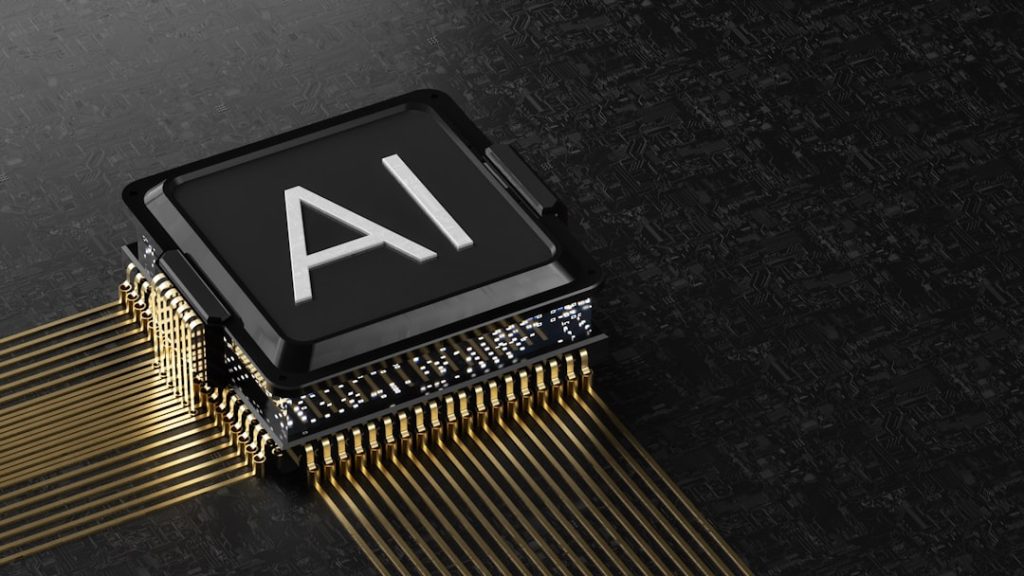
The tech industry is witnessing another ambitious leap into artificial intelligence hardware, as reports suggest a major social media company is developing a wearable AI pendant. This move represents a significant shift from traditional screen-based interactions toward more intimate, always-accessible AI companions.
I find this development particularly intriguing because it signals a fundamental change in how we might interact with AI in our daily lives. Unlike smartphones or smart speakers that require deliberate activation, a pendant would offer continuous, seamless access to AI capabilities. This could revolutionize personal assistance technology, but it also raises important questions about privacy and data collection.

The concept of wearable AI devices isn’t entirely new, but a pendant form factor presents unique advantages and challenges. For professionals who need constant access to information—think journalists, researchers, or consultants—this could be transformative. The hands-free nature would allow for natural conversations while walking, driving, or during meetings where pulling out a phone might be inappropriate.
However, I’m skeptical about mass market adoption. The success of such devices will largely depend on battery life, processing power, and most critically, user acceptance of wearing yet another piece of technology. Many consumers are already experiencing device fatigue, and adding another gadget to their daily routine might feel overwhelming rather than helpful.

From a business perspective, this strategy makes sense for companies looking to diversify beyond traditional social media platforms. The AI hardware market represents a potentially lucrative opportunity, especially as competitors race to establish dominance in the emerging field of ambient computing.
The real test will be whether consumers see genuine value in having AI assistance literally hanging around their necks. While early adopters and tech enthusiasts might embrace such innovation, mainstream users will likely need compelling use cases that clearly improve their daily lives. The success of this venture will ultimately depend on execution, pricing, and the company’s ability to address legitimate privacy concerns that come with always-listening devices.
Photo by Igor Omilaev on Unsplash
Photo by Rachit Tank on Unsplash
Photo by Dose Media on Unsplash