
Smart Lawn Care: Why Frequent Light Trimming Beats Heavy Cutting in Hot Weather
I’ve watched countless homeowners make the same mistake every summer: they attack their lawns with aggressive weekly cuts, thinking this will keep them looking pristine. What they don’t realize is that this approach often backfires spectacularly when temperatures soar. The truth is, modern lawn care is moving toward a completely different philosophy—one that prioritizes plant health over aesthetic perfectionism.
Understanding Plant Biology Makes All the Difference
Here’s what I find fascinating about grass physiology: these plants are essentially solar panels that need their green surface area to survive. When you remove too much blade material in a single session, you’re forcing the grass into emergency mode. Instead of developing robust root systems that can access deeper water reserves, the plant frantically tries to regrow what it lost above ground.
This is where the micro-cutting approach becomes genuinely revolutionary. By trimming just the tips frequently—think millimeters rather than centimeters—you maintain the grass’s photosynthetic capacity while encouraging downward growth. I believe this method is particularly valuable for homeowners dealing with clay soils or areas prone to drought, though it may be overkill for those with naturally moist, shaded properties.

Technology That Actually Serves a Purpose
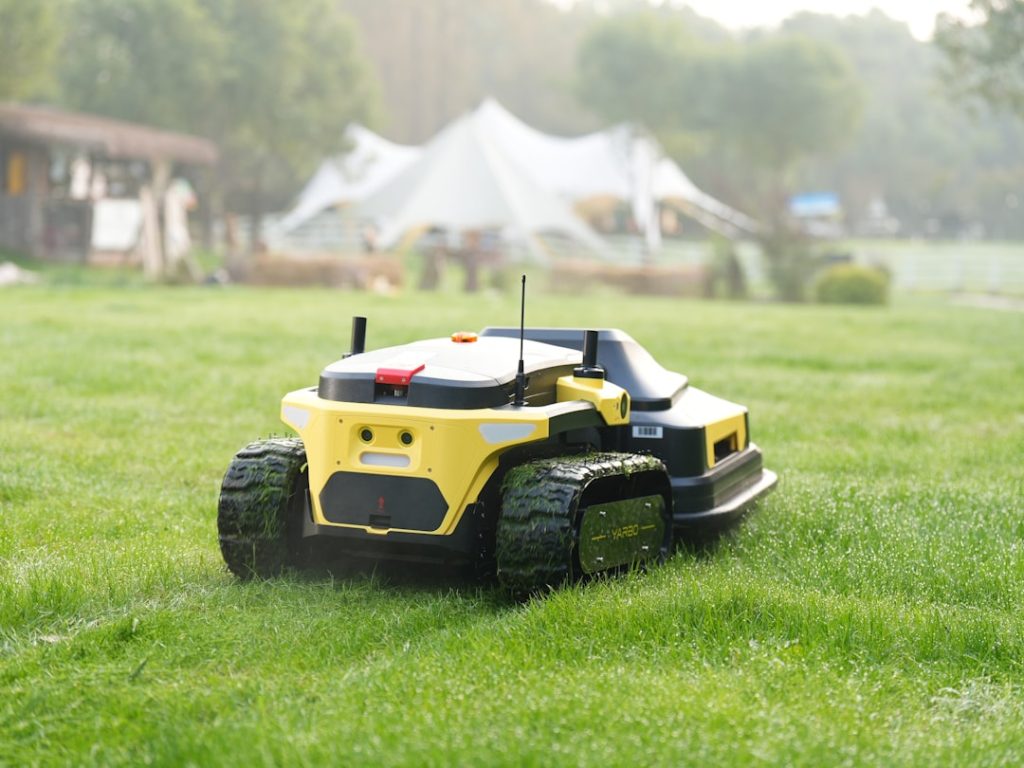
Robotic mowing systems represent one of the few garden technologies I genuinely endorse. Unlike many gadgets that solve problems nobody had, these machines address a real issue: the human tendency to over-cut lawns. Their daily micro-trimming schedule mimics what would happen if you had unlimited time to maintain your grass properly.
What impresses me most is their mulching capability. Those tiny clippings create a natural moisture barrier and nutrient cycle that traditional bagging simply can’t match. For busy professionals or elderly gardeners, this technology makes sense. However, I wouldn’t recommend it for small urban plots where the installation cost outweighs the benefits, or for those who genuinely enjoy the meditative aspect of manual mowing.
Weather-Responsive Features Matter
The more sophisticated models now integrate weather data to adjust their schedules automatically. This isn’t just clever marketing—it reflects a real understanding of plant stress. During heat waves, grass essentially goes into survival mode, and continuing to cut it is like asking someone to run a marathon while dehydrated.

Environmental Considerations Worth Noting
From an environmental standpoint, I appreciate that battery-powered systems eliminate direct emissions during operation. The noise reduction alone makes them superior for dense neighborhoods where weekend mowing creates genuine friction between neighbors. However, we shouldn’t ignore the manufacturing footprint of these devices or their eventual disposal challenges.
The Bigger Picture on Climate Adaptation
What really matters here isn’t the technology itself, but the shift in thinking it represents. Traditional lawn care was designed for cooler, wetter climates that are becoming increasingly rare. I see frequent light maintenance as part of a broader movement toward climate-resilient gardening practices.
This approach benefits homeowners with larger properties, those dealing with water restrictions, and anyone experiencing increasingly unpredictable weather patterns. It’s less relevant for those with small lawns, minimal summer heat stress, or properties with excellent natural drainage and consistent rainfall.
Ultimately, the healthiest summer lawns belong to those who understand that working with natural plant biology produces better results than fighting against it. The old weekend warrior approach to mowing is becoming as outdated as watering at midday—a practice that once seemed logical but actually creates more problems than it solves.
Photo by Yarbo Global on Unsplash
Photo by Maximilian Kunstwadl on Unsplash