
Historic Beer Collection Celebrates America’s Upcoming Milestone Anniversary
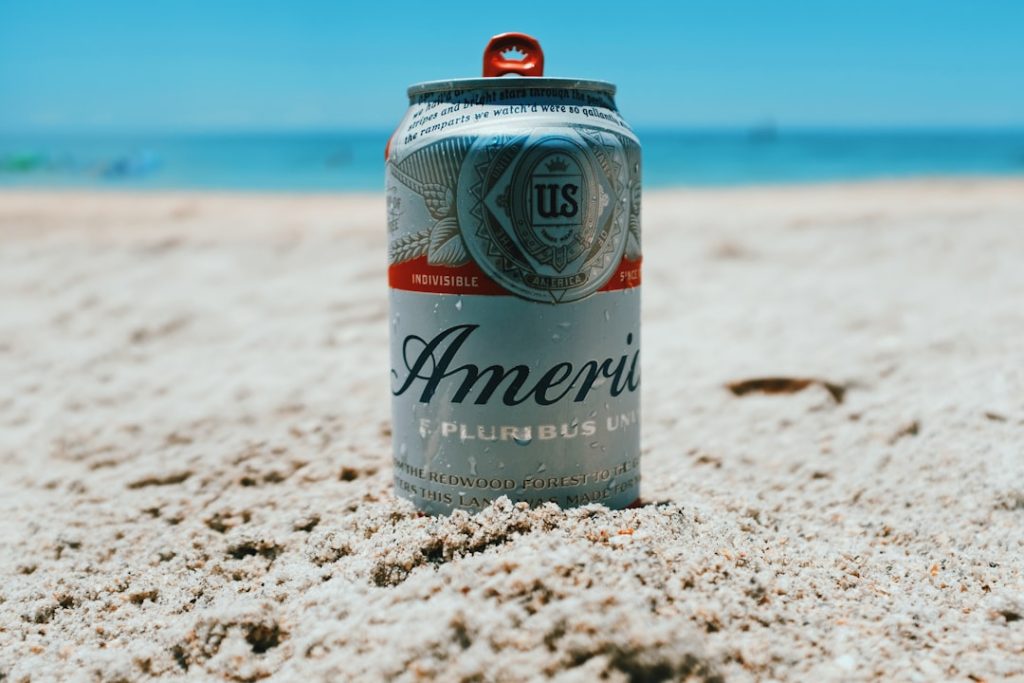
As the United States approaches its 250th anniversary, craft breweries are finding creative ways to honor the nation’s revolutionary heritage. One Boston-based brewery has launched a historically-inspired beer collection that attempts to recreate the drinking experience of colonial taverns, complete with ingredients and brewing methods that would have been familiar to the founding fathers.
I find this kind of historical marketing fascinating, though I’m skeptical about how authentic these modern interpretations really are. The brewery’s Brewer Patriot Collection features four distinct beverages, each named after prominent revolutionary figures and priced at $17.76 – a clever nod to the year of American independence that feels more like marketing genius than historical reverence.
What’s Actually in These Historical Brews
The collection includes a porter inspired by George Washington, featuring toffee, cocoa, and date flavors enhanced with molasses and licorice. There’s also a dark wheat ale honoring James Madison, which incorporates smoked malted barley and Hefeweizen yeast to create banana and clove notes alongside cocoa and toffee undertones.

The most intriguing offering might be the 1790 Hard Root Beer, which uses sassafras, wintergreen, and licorice to create what the brewery describes as an adult version of the classic American soft drink. Rounding out the quartet is a ginger honey ale that combines fresh ginger, lemon peel, and honey for a citrusy finish.
Who This Appeals To (And Who It Doesn’t)
This collection is clearly targeting history buffs, craft beer enthusiasts, and anyone looking for a conversation starter at their next barbecue. The $17.76 price point makes it accessible enough for casual purchasers while the limited availability creates urgency for collectors. I think it’s particularly appealing to people who enjoy the story behind their beverages as much as the taste itself.
However, serious beer purists might roll their eyes at what could be seen as gimmicky marketing. The 5.5% ABV across all four varieties suggests these aren’t pushing any boundaries in terms of brewing innovation – they’re playing it safe for mass appeal. Beer snobs looking for cutting-edge flavors or techniques will likely find these offerings underwhelming.

The Reality of Historical Brewing
What I find genuinely interesting is the brewery’s attempt to use ingredients that colonial brewers would have recognized. The use of herbs, roots, and spices wasn’t just for flavor – it was necessity. Before widespread hop cultivation, brewers worked with whatever preservative and flavoring agents they could source locally.
That said, let’s be honest about the limitations here. Modern sanitation, temperature control, and ingredient consistency mean these beers taste nothing like what Washington or Madison actually drank. Colonial ales were often cloudy, inconsistent, and sometimes unsafe. These modern interpretations are sanitized versions designed for contemporary palates.
Marketing Patriotism in a Bottle
The timing of this release isn’t coincidental. With America’s semiquincentennial approaching, there’s clearly a market for patriotic products that let consumers feel connected to national history. The brewery is smart to capitalize on this sentiment, especially given their namesake’s role in the Boston Tea Party and the Declaration of Independence.
But I wonder if this kind of commercialized patriotism resonates with everyone. Some might see it as a meaningful way to honor the founders, while others could view it as exploiting historical figures for profit. The truth probably lies somewhere in between – it’s harmless fun that happens to generate revenue.
For those interested in trying these historical recreations, the collection is available through specialty beer retailers while supplies last. Whether you’re drawn by curiosity, patriotism, or simply the novelty factor, these beers offer a unique way to toast America’s revolutionary heritage – even if the experience is more 21st century than 18th century.
Photo by Blake Guidry on Unsplash
Photo by Osmany M Leyva Aldana on Unsplash
Photo by Josh Olalde on Unsplash