
Fashion Leadership Transitions: When Creative Directors Shape Brand Evolution
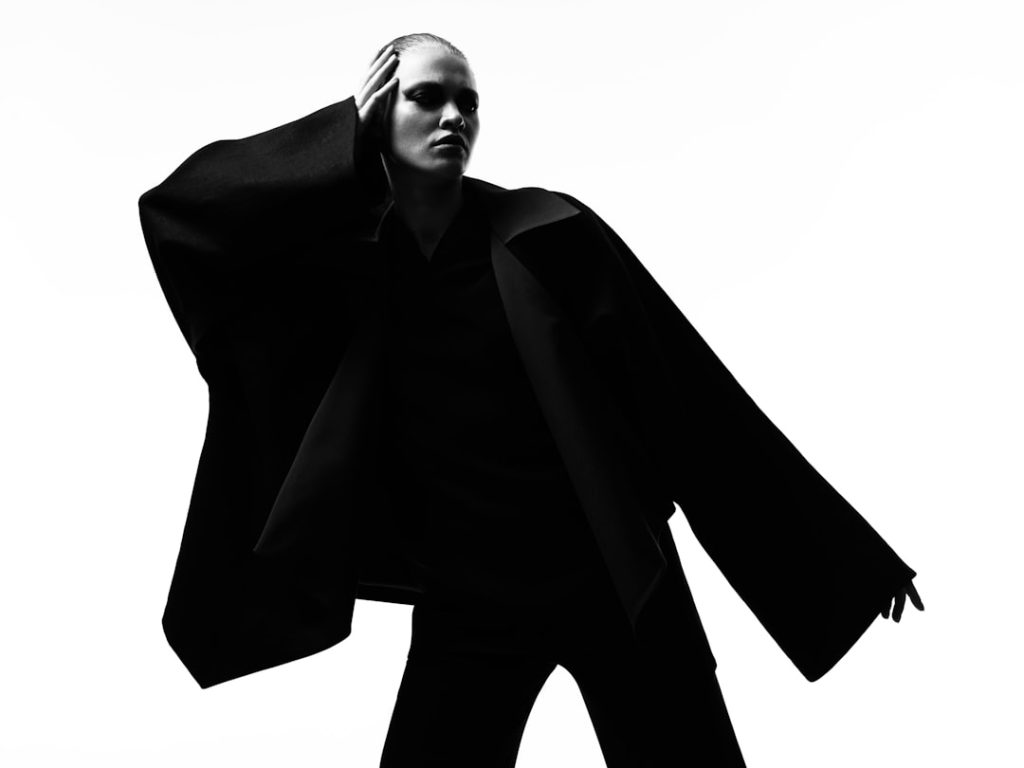
The fashion industry continues to witness significant leadership changes as brands navigate evolving market demands and consumer preferences. These transitions represent more than simple personnel shifts—they signal fundamental changes in creative direction, brand positioning, and strategic vision.
What strikes me most about these leadership movements is how they reflect the industry’s broader struggle to balance heritage with innovation. Fashion houses today face an unprecedented challenge: maintaining their established identity while appealing to younger demographics who prioritize sustainability, inclusivity, and digital engagement.

For investors and fashion enthusiasts, these executive changes offer valuable insights into where the industry is heading. I believe the most successful transitions occur when new leadership respects the brand’s DNA while introducing fresh perspectives that resonate with contemporary consumers.
The timing of such appointments is crucial. Brands experiencing stagnation or declining relevance often benefit most from bold leadership changes, while those with strong momentum might find dramatic shifts counterproductive. In my view, the key lies in understanding whether a brand needs evolution or revolution.

Fashion professionals should pay close attention to these transitions, as they often signal broader industry trends. The selection criteria for new creative leaders increasingly emphasize digital fluency, sustainability awareness, and cross-cultural understanding—skills that weren’t prioritized a decade ago.
However, not every leadership change guarantees success. I’ve observed that brands sometimes mistake novelty for innovation, appointing leaders who generate buzz but lack the depth to sustain long-term growth. The most effective appointments combine creative vision with commercial acumen and cultural sensitivity.
For consumers, these changes ultimately determine the products and experiences they’ll encounter. The most successful creative directors understand that today’s fashion landscape demands authenticity, not just aesthetic appeal. They must craft narratives that connect emotionally with diverse audiences while maintaining commercial viability.
Photo by Malicki M Beser on Unsplash
Photo by Marjan Taghipour on Unsplash
Photo by Michael Lee on Unsplash