
Britain’s Most Spectacular Garden Destinations for Your Summer Adventures
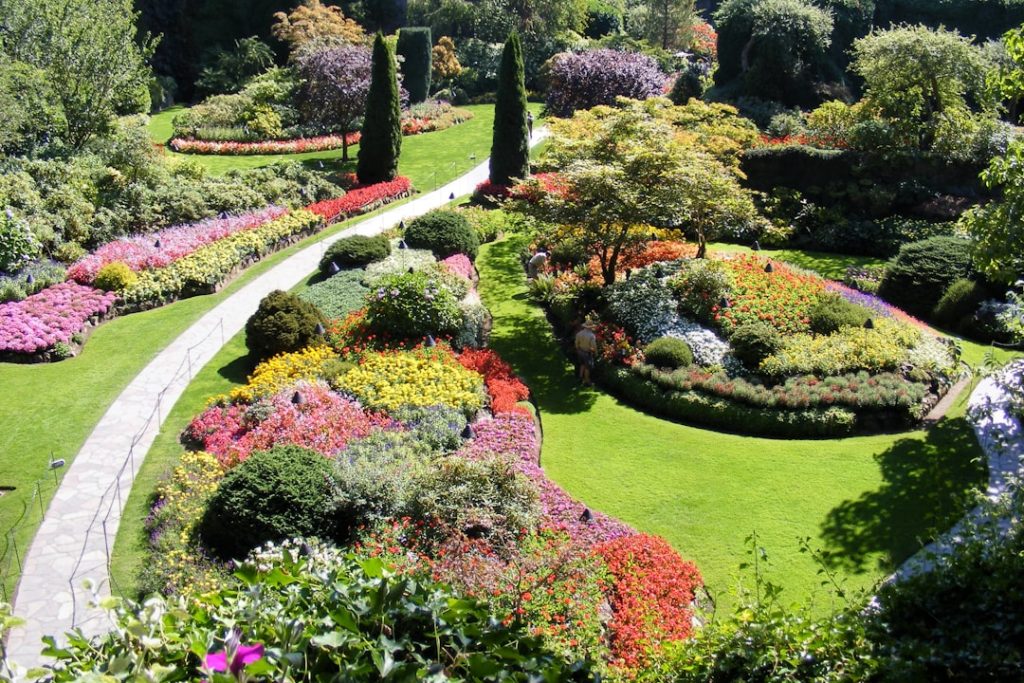
Summer presents the ideal opportunity to explore Britain’s horticultural treasures, and I believe there’s no better time to immerse yourself in the country’s most extraordinary green spaces. These gardens offer more than just pretty flowers – they’re living masterpieces that showcase innovative design, environmental consciousness, and centuries of gardening expertise.
Bowood House Gardens: A Modern Marvel in Wiltshire
What strikes me most about Bowood’s recently unveiled Walled Garden is how it perfectly balances tradition with contemporary environmental awareness. The sophisticated color palette of whites, creams, and various green tones creates an almost ethereal atmosphere that I think appeals particularly to visitors seeking tranquility rather than bold spectacle.
The addition of their Dry Garden demonstrates forward-thinking garden management – something I believe every serious gardener should pay attention to. This collection of drought-resistant Mediterranean plants and succulents isn’t just beautiful; it’s a practical lesson in climate-adaptive gardening that homeowners will find increasingly relevant.
Malleny Garden: Edinburgh’s Hidden Rose Paradise
Located just outside Edinburgh, this National Trust for Scotland property offers something I find rare in modern gardens – genuine historical continuity. The combination of 400-year-old yew trees with 150 rose varieties creates a living timeline that garden history enthusiasts will absolutely treasure.
However, I’d caution casual visitors that this is primarily for rose lovers and those who appreciate subtle, traditional garden design rather than dramatic contemporary landscapes. The Victorian glasshouse display is spectacular, but the garden’s true magic lies in its understated elegance.
The Old Rectory: Intimate Garden Perfection in West Sussex
This National Garden Scheme property exemplifies what I consider the perfect private garden experience. The half-acre formal front garden provides structure, while the expansive rear garden offers adventure with its natural swimming pond and ancient sweet chestnut tree.

I particularly appreciate how this garden caters to different interests – formal garden lovers, natural swimming enthusiasts, and tree specialists will all find something captivating. It’s ideal for families who want variety in a single visit, though I wouldn’t recommend it for those seeking grand estate-style gardens.
Cliveden: Sustainable Grandeur in Buckinghamshire
What impresses me most about Cliveden’s recent transformation is how the National Trust has successfully merged historical significance with cutting-edge environmental practices. The 200-meter-long garden’s restoration using no-dig systems and pollinator-friendly plantings represents exactly the kind of progressive garden management I believe all major estates should adopt.
This is perfect for visitors who want to understand how traditional grand gardens can adapt to modern environmental challenges. However, those seeking intimate, cottage-garden charm might find the scale overwhelming.
Littlethorpe Manor: Yorkshire’s Philosophical Garden
The concept of relating garden design to life cycles through seasonal representation is something I find deeply meaningful. The symbolic Norwegian World Tree at the garden’s heart creates a spiritual dimension that sets this property apart from purely aesthetic gardens.
This appeals most to visitors interested in garden symbolism and philosophical design concepts. The Contemporary Physic garden with medicinal plants will fascinate herb enthusiasts, though I suspect it might feel too conceptual for those preferring straightforward flower displays.
Dyffryn Fernant: Pembrokeshire’s Rural Masterpiece
What I admire about this six-acre creation is how it demonstrates that exceptional gardens can emerge from unpromising circumstances. The transformation of leftover farmland into distinct garden rooms showcases creativity and environmental sensitivity that I believe resonates with modern sustainable living principles.

The geometric grass displays within natural meadows represent innovative design thinking that landscape architects and contemporary gardeners will find inspiring. However, traditionalists preferring formal English garden styles might find the approach too unconventional.
Glenarm Castle: Ireland’s Award-Winning Garden Rooms
This Historic Houses Garden of the Year winner demonstrates how historical properties can be completely reimagined while respecting their heritage. The division into themed ‘rooms’ using beech hedges creates intimate spaces within a larger framework – an approach I think works brilliantly for visitors who might otherwise feel overwhelmed by large gardens.
The integration of Irish artworks adds cultural depth that appeals to art enthusiasts, while the restored Victorian glasshouse satisfies those interested in horticultural history. This is ideal for multi-generational visits, especially with free entry for children under 12.
Fullers Mill Garden: Suffolk’s Lily Specialist Haven
The transformation of rough scrubland into this seven-acre riverside paradise over 50 years represents dedication that I find truly inspiring. The specialization in lilies and marginal plants creates a unique identity that serious plant collectors will absolutely treasure.
However, I’d note this appeals primarily to lily enthusiasts and those interested in waterside gardening. Visitors seeking broad plant diversity or formal garden structure might find it too specialized for their tastes.
Beth Chatto Gardens: The Ultimate Learning Experience
This legendary garden represents what I consider the gold standard for educational horticulture. The principle of matching plants to their ideal growing conditions – rather than forcing unsuitable plants to survive – offers practical lessons that every gardener can apply regardless of their experience level.
The gravel garden particularly resonates with current environmental concerns about water conservation and climate adaptation. I believe this garden provides the most valuable takeaway lessons for home gardeners, though those seeking purely aesthetic experiences might find the educational focus less romantic than other destinations.
These gardens collectively represent Britain’s horticultural excellence, each offering unique perspectives on design, sustainability, and plant cultivation that I believe will inspire visitors long after their summer adventures end.
Photo by Mark Raptapolus on Unsplash
Photo by Miguel luiz Tinoco on Unsplash