
A Hotel Expert’s Personal Picks: The World’s Most Exceptional Properties
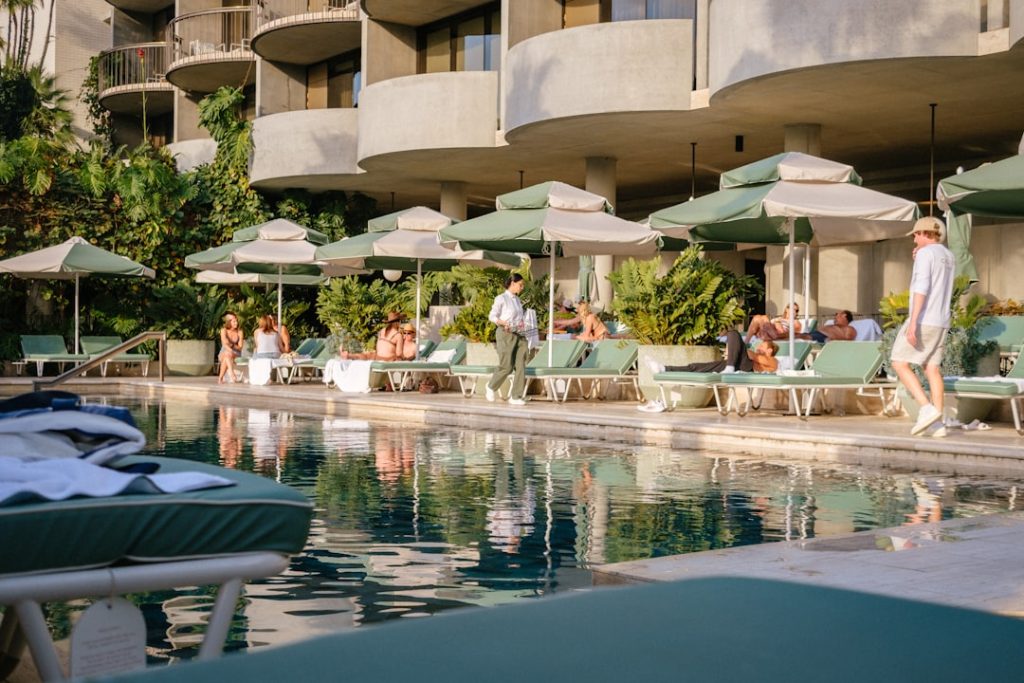
After spending over a decade evaluating luxury accommodations worldwide, I’ve developed strong opinions about what truly separates exceptional hotels from merely good ones. My journey into hospitality journalism began with childhood memories of family road trips and evolved into a career that’s taken me to some of the planet’s most remarkable properties.
What I’ve learned is that the best hotels don’t just provide a place to sleep—they create transformative experiences that linger long after checkout. Here are the properties that have genuinely impressed me, each offering something unique for different types of travelers.
Four Seasons The Nam Hai, Vietnam
This Hoi An resort represents everything I value in luxury hospitality: exceptional cuisine, immersive cultural experiences, and genuine connection to place. The property’s culinary program is what sets it apart—from the extraordinary breakfast buffet featuring authentic Vietnamese dishes to the innovative cooking academy where guests can master local techniques.
I believe this hotel is perfect for food enthusiasts and cultural explorers who want luxury without losing authenticity. However, if you’re looking for a party scene or extensive nightlife, you’ll be disappointed. The focus here is on mindful travel and gastronomic discovery.
What matters most at The Nam Hai is the commitment to showcasing Vietnamese culture through food. The Vespa culinary tours alone justify the visit for serious food lovers.
St. Regis Venice, Italy
Venice’s St. Regis brilliantly solves the challenge of creating a luxury experience in a historic city where space is limited. The property functions as both hotel and art gallery, featuring works by internationally acclaimed artists that elevate the entire experience.
This hotel works best for art lovers and luxury travelers who appreciate cultural immersion. It’s not ideal for budget-conscious visitors or those seeking modern amenities over historic charm. The Grand Canal views are spectacular, but you’ll pay premium rates for them.
What I find most compelling is how the hotel integrates contemporary art with Venetian heritage. The boat transfers aren’t just transportation—they’re part of the theatrical experience that makes Venice magical.
Park Hyatt Sydney, Australia
The Sydney property delivers on the Park Hyatt brand promise of sophisticated luxury in prime locations. The Opera House views are genuinely breathtaking, and the service standards reflect the premium positioning.
This hotel suits business travelers and luxury tourists who prioritize location and views over cutting-edge design. It’s less appealing to younger travelers seeking trendy amenities or those on tight budgets, given the high point requirements and cash rates.

The breakfast experience with Opera House views exemplifies why location matters more than almost any other factor in hotel selection. You’re paying for an irreplaceable perspective on one of the world’s most iconic landmarks.
Hyatt Zilara Cap Cana, Dominican Republic
I’m genuinely enthusiastic about well-executed all-inclusive resorts, and this property demonstrates how the format can work for sophisticated travelers. The adults-only concept eliminates the chaos often associated with family resorts while maintaining access to extensive amenities.
This resort is ideal for couples seeking relaxation without decision fatigue about dining and activities. It’s not suitable for families with children or travelers who prefer exploring local culture and cuisine outside the resort.
What makes this property special is the seamless integration with the adjacent family resort—adults get expanded options while maintaining their peaceful environment. The infinity pool and cenote-inspired spa show genuine attention to creating memorable experiences.
Rosewood London, England
The Rosewood London succeeds because it balances historic grandeur with contemporary sophistication. The property attracts London’s cultural elite, creating an atmosphere that feels exclusive without being stuffy.
This hotel appeals to design-conscious travelers and those who appreciate being part of London’s social scene. It’s less suitable for tourists seeking traditional English charm or those uncomfortable with high-energy social environments.
Scarfe’s Bar represents everything I love about great hotel bars—distinctive character, exceptional cocktails, and the kind of atmosphere that makes you want to extend your stay. The whimsical portraits and intimate lighting create a setting that’s both playful and sophisticated.
The Cape, A Thompson Hotel, Mexico
This Cabo property demonstrates how modern resort design can enhance rather than compete with natural beauty. The pool design is genuinely spectacular, creating an infinity effect that merges seamlessly with the ocean horizon.
The hotel works perfectly for travelers seeking contemporary luxury in a beach setting. It’s less appropriate for families with young children or those seeking traditional Mexican cultural experiences.
What impresses me most is the commitment to architectural excellence. The pool alone justifies the visit—it’s the kind of design element that creates lasting memories and social media moments.

The Madrid Edition, Spain
Madrid’s Edition property captures the brand’s signature style while reflecting the city’s vibrant energy. Every design element feels intentional, from the striking lobby to the distinctive blue pool table that’s become an Instagram favorite.
This hotel attracts style-conscious travelers who want to feel connected to Madrid’s creative scene. It’s not ideal for traditional tourists or those seeking Spanish cultural immersion over contemporary design.
The property succeeds because it doesn’t try to be everything to everyone. Instead, it commits fully to a specific aesthetic and social atmosphere that either resonates completely or doesn’t appeal at all.
Four Seasons Hotel Seoul, South Korea
Seoul’s Four Seasons exemplifies how international luxury brands can successfully integrate local culture. The Korean-style spa facilities and kimchi-infused cocktails show genuine respect for local traditions while maintaining Four Seasons’ service standards.
This hotel suits business travelers and cultural enthusiasts who want luxury with authentic local elements. It’s less appealing to budget travelers or those seeking purely Western hotel experiences.
The multilevel club with traditional Korean sauna experiences represents thoughtful cultural integration. Too many international hotels ignore local wellness traditions, but this property embraces them as a competitive advantage.
La Mamounia, Morocco
This Marrakech institution proves that historic properties can compete with modern luxury when they maintain their authentic character. The Moroccan design elements and traditional spa treatments create an experience that’s impossible to replicate elsewhere.
The hotel works best for travelers seeking cultural immersion and those who appreciate historic luxury. It’s not suitable for those wanting contemporary amenities or modern design aesthetics.
What makes La Mamounia special is its commitment to preserving Moroccan hospitality traditions while meeting international luxury standards. The proximity to the souks adds cultural authenticity that many resort properties lack.
The best hotels understand that luxury isn’t just about thread counts and marble bathrooms—it’s about creating experiences that couldn’t happen anywhere else.
These properties represent my personal philosophy about exceptional hospitality: they each offer something irreplaceable, whether through location, design, cultural integration, or service excellence. The key is matching the right property to your travel priorities and expectations.
Photo by Johan Mouchet on Unsplash
Photo by Peter Thomas on Unsplash