
Discovering Hidden Gems: The Best Parisian Quarter for Tennis Enthusiasts
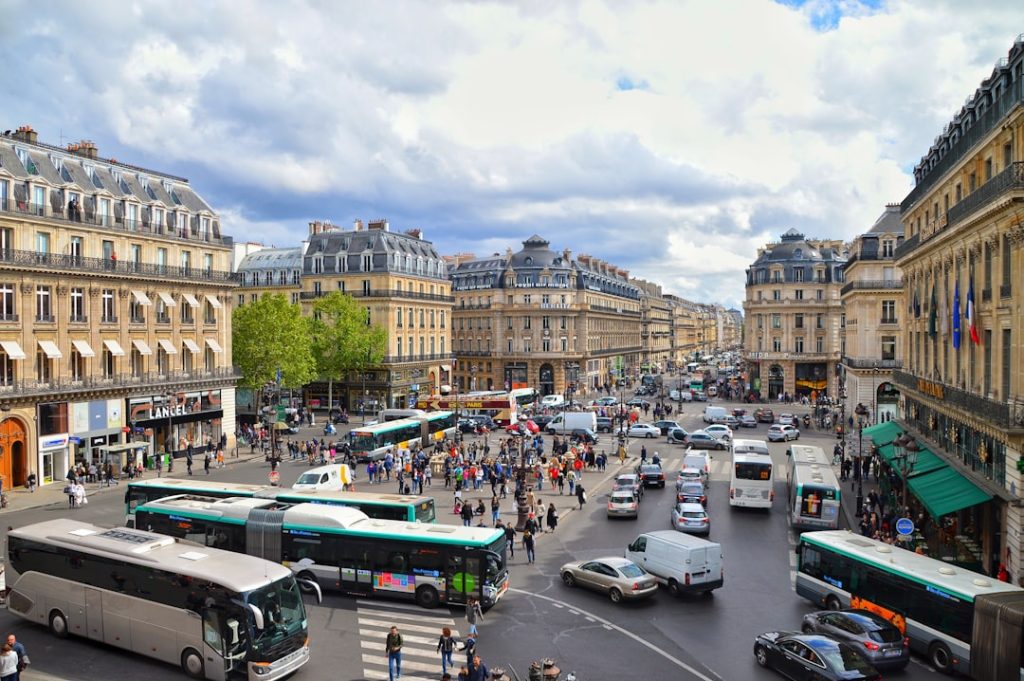
When major tennis tournaments roll around, most visitors find themselves caught in the predictable tourist trap cycle – rushing between matches, grabbing overpriced stadium food, and missing out on authentic local experiences. I believe this approach completely misses the point of traveling to one of the world’s most culturally rich cities.
The smart traveler knows that the real magic happens in the neighborhoods surrounding major sporting venues. While crowds flock to obvious attractions, savvy visitors can discover authentic Parisian life just steps away from the tennis action.
Why Location Matters More Than You Think
Here’s what I’ve learned from years of covering international sporting events: the venue neighborhood often tells a more compelling story than the main event itself. This is particularly true for tennis enthusiasts who want to maximize their Parisian experience beyond the courts.
The area surrounding major tennis venues offers a perfect blend of accessibility and authenticity. You’re close enough to catch multiple matches without the exhausting commute, yet far enough from tourist crowds to experience genuine local culture.

Who Should Consider This Approach
This strategy works best for travelers who value cultural immersion over convenience. If you’re the type who prefers chain restaurants and familiar surroundings, stick to the tourist districts. But if you want to understand how Parisians actually live, work, and socialize, exploring these transitional neighborhoods is invaluable.
Food enthusiasts will particularly benefit from this approach. The local bistros, markets, and cafes in these areas serve authentic cuisine at reasonable prices – a stark contrast to overpriced venue concessions.
The Cultural Discovery Factor
What makes these neighborhoods special isn’t just their proximity to sporting events. They represent Paris in transition – areas where traditional French culture meets modern international influence. You’ll find family-run businesses that have operated for generations alongside contemporary galleries and innovative restaurants.
I’ve observed that visitors who take time to explore these areas develop a deeper appreciation for Parisian life. They return home with stories about conversations with local shop owners, discoveries of hidden architectural gems, and meals at restaurants no guidebook mentions.

Practical Benefits Beyond Culture
From a purely practical standpoint, staying in these neighborhoods offers significant advantages. Accommodation costs are typically lower than central tourist areas, yet you maintain excellent transport connections to both sporting venues and major attractions.
The dining scene deserves special mention. While stadium food is notoriously expensive and mediocre, neighborhood restaurants offer exceptional value. A proper French meal with wine often costs less than basic concession stand fare.
Who Might Find This Challenging
This approach isn’t for everyone. Travelers with mobility issues might prefer staying in more central, tourist-friendly areas with better accessibility infrastructure. Similarly, those with limited time who want to maximize famous landmark visits might find neighborhood exploration too time-consuming.
Language barriers can also be more pronounced in residential areas. While this adds authenticity, it might frustrate travelers who prefer English-speaking environments.
The Bigger Picture
I believe the best travel experiences come from understanding places as locals experience them, not as tourism boards present them. These transitional neighborhoods offer that opportunity in ways that famous districts simply cannot.
The key is approaching exploration with curiosity rather than a checklist mentality. The goal isn’t to see everything, but to understand something meaningful about how a city actually functions beyond its postcard image.
Photo by Aiham Abuwasel on Unsplash
Photo by Tanya Barrow on Unsplash