
Major U.S. Carrier Expands West Coast Routes with New Vancouver Service
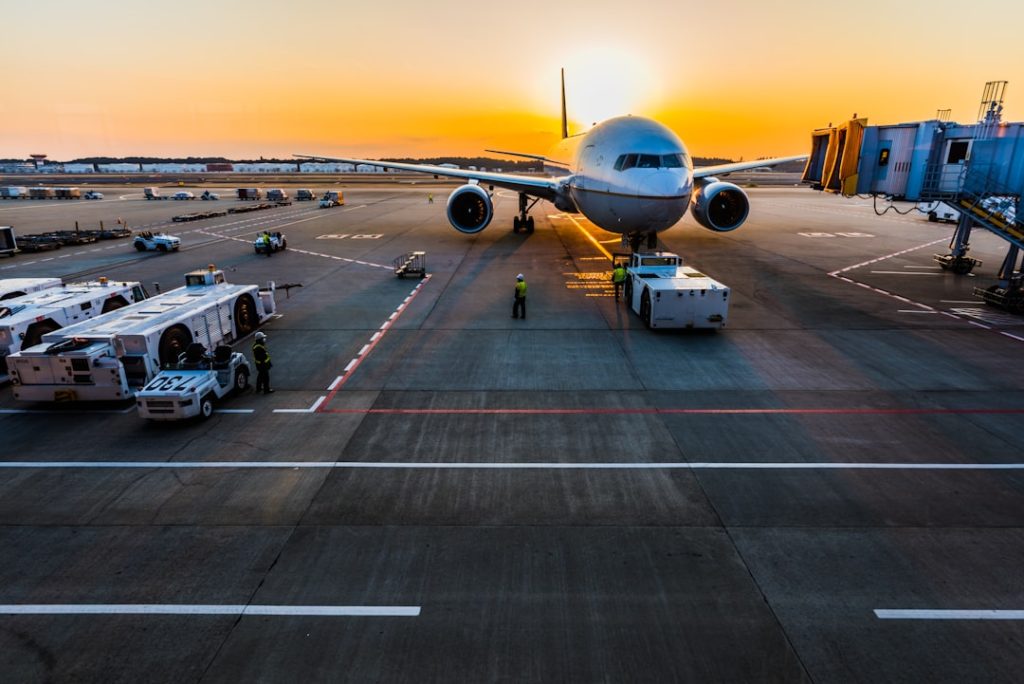
A leading American airline is strengthening its West Coast presence by launching new twice-daily service between Los Angeles International Airport and Vancouver International Airport, beginning November 21st. This marks the carrier’s only direct connection from Southern California to Canada, utilizing Airbus A319 aircraft for the route.
I think this expansion makes perfect sense strategically, especially given Vancouver’s growing reputation as ‘Hollywood North’ due to its thriving film and television production industry. The city has become increasingly attractive to entertainment professionals and tourists alike, creating a natural demand for convenient air service from Los Angeles.
This route revival comes after a six-year hiatus, with the airline previously operating this service until 2018. The timing seems particularly smart, as it capitalizes on Vancouver’s continued growth as a cultural and business hub while providing travelers with more options for cross-border connectivity.
Part of Broader International Growth Strategy
The Vancouver addition represents the latest in a series of international route expansions from Los Angeles. The airline recently launched service to Hong Kong in June and began flights to Melbourne, Australia last December. This pattern suggests a deliberate strategy to position Los Angeles as a gateway hub for Pacific Rim destinations.

In my view, this approach benefits frequent business travelers and leisure passengers who value direct connectivity to key international markets. However, casual travelers might find limited value unless they specifically need these particular routing options, as connecting flights through other hubs often provide more scheduling flexibility.
Operating in Challenging Market Conditions
The route launch occurs during a period of measured growth for the industry, with airlines moderating expansion plans due to elevated fuel costs. The carrier initially projected 3% capacity growth for 2026 but suspended that guidance after energy prices surged following geopolitical tensions in the Middle East.
The airline’s CEO acknowledged in April that the company was ‘meaningfully reducing capacity in the current quarter with a downward bias until the fuel situation improves.’ This context makes the Vancouver route addition particularly noteworthy, suggesting the carrier sees strong revenue potential despite broader capacity constraints.
Strategic Route Selection Continues
Despite overall capacity moderation, the airline continues adding routes in competitive markets where it can establish strong positions. Recent additions include service to California’s wine country from Salt Lake City, directly competing with other carriers who announced similar routes.

The carrier is also expanding on routes previously served by budget airlines, adding flights from Boston, Detroit, and Orlando airports. This strategy of backfilling discontinued routes strikes me as particularly clever, as it allows established carriers to capture demand without the risk of pioneering entirely new markets.
Facing Intense Competition
The Los Angeles-Vancouver market already hosts significant competition, with five other airlines currently operating the route, including major Canadian and American carriers plus low-cost options. This competitive landscape means success will depend heavily on schedule convenience, pricing strategy, and service quality rather than simply market presence.
For travelers, this competition should translate to better options and potentially more competitive pricing. Business travelers who prioritize schedule reliability and premium services will likely gravitate toward established full-service carriers, while price-conscious leisure travelers may continue choosing based primarily on fare levels.
The route’s success will ultimately depend on the airline’s ability to differentiate its service offering in this crowded market. Given Vancouver’s appeal as both a business destination and tourist gateway to western Canada, there appears to be sufficient demand to support multiple carriers, but market share battles will likely be intense.
Photo by Rocker Sta on Unsplash
Photo by Bao Menglong on Unsplash
Photo by Ivan Shimko on Unsplash