
The Great Baking Divide: How British and American Baking Styles Reflect Cultural Differences
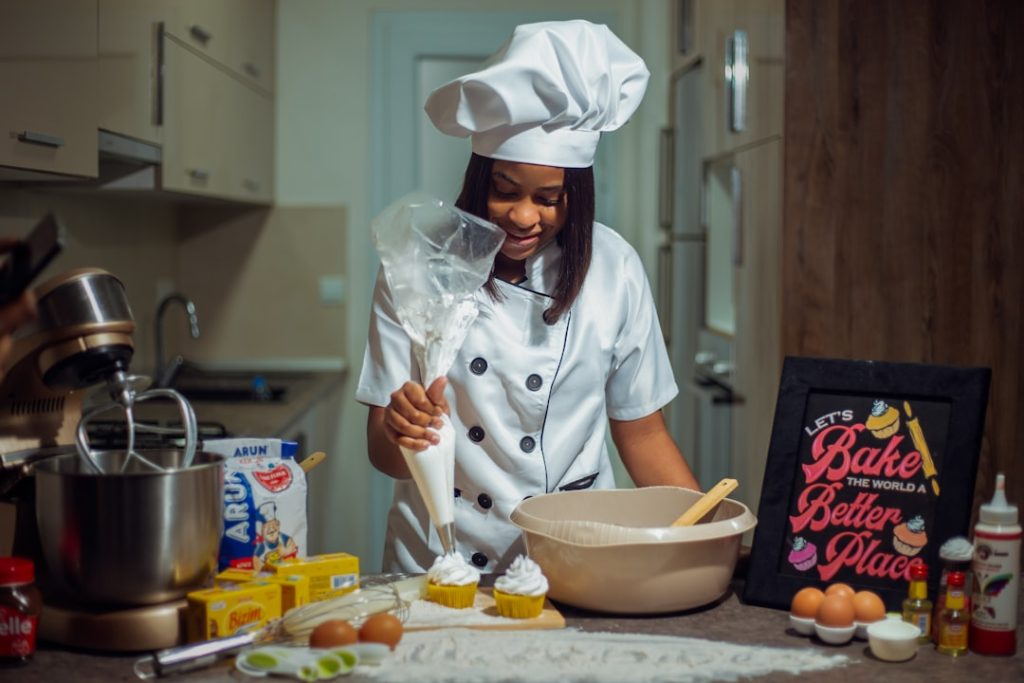
The ongoing debate between British restraint and American exuberance has found its way into the most unlikely of places: the baking tent. Two renowned judges from international baking competitions have recently shared their observations about the fundamental differences between how Brits and Americans approach their craft, and their insights reveal something fascinating about our respective food cultures.
In my opinion, this comparison touches on something much deeper than just baking techniques—it’s really about how different cultures express creativity and comfort through food. The British approach, characterized by subtlety and technical precision, appeals to those who appreciate understated elegance. Meanwhile, the American style, with its bold flavors and generous proportions, speaks to people who see baking as an opportunity for joyful expression.
A Tale of Two Baking Philosophies
According to industry experts who have judged both British and American bakers extensively, the differences aren’t about superior skill levels but rather distinct cultural approaches to flavor and presentation. British bakers tend to focus on technical mastery and balanced flavors, while their American counterparts embrace bold, sweet profiles and impressive visual impact.
The American baking style gravitates toward ingredients like banana, pecans, and generous amounts of sugar—elements that British bakers use more sparingly. This isn’t necessarily a criticism; it reflects different palate preferences and cultural expectations around desserts.

The Sugar Debate: When More Isn’t Always Better
One particularly contentious point involves the American tendency toward heavy frosting and elevated sweetness levels. Critics argue that excessive sugar can mask the nuanced flavors that skilled bakers work so hard to develop. When you pile on thick layers of buttercream, you might lose the delicate almond essence or fresh strawberry notes that should be the star of the show.
I think this criticism has merit, but it also misses the point of what American baking often aims to achieve. Sometimes the goal isn’t subtle flavor development—it’s creating an indulgent, celebratory experience. For birthday parties, holiday gatherings, and comfort food moments, that extra sweetness serves a purpose.
Who Benefits from Each Style?
The British approach would appeal most to:
- Bakers who prioritize technical skill development
- Those with sophisticated palates who appreciate subtle flavors
- People seeking elegant, refined desserts for formal occasions
- Individuals who prefer less sweet treats
The American style works better for:

- Bakers focused on visual impact and crowd-pleasing
- Those creating desserts for celebrations and parties
- People who enjoy bold, indulgent flavors
- Bakers working with children or sweet-tooth audiences
Beyond the Competition: What This Really Means
What strikes me most about this debate is how it reflects broader cultural attitudes toward food and creativity. British baking culture values restraint, tradition, and technical excellence—qualities that produce consistently reliable results. American baking culture embraces experimentation, boldness, and emotional impact, even if that sometimes means sacrificing subtlety.
Neither approach is inherently superior, but they serve different purposes and audiences. The British method excels at creating sophisticated, balanced desserts that showcase pure technique. The American approach succeeds at generating excitement, comfort, and memorable experiences.
The Future of Global Baking
As baking competitions continue to cross cultural boundaries, I believe we’re seeing an interesting fusion emerging. Young bakers are learning to combine British technical precision with American creative boldness, creating desserts that are both skillfully executed and emotionally engaging.
This cultural exchange benefits everyone involved. British bakers are learning to embrace more adventurous flavor combinations, while American bakers are developing greater technical skills and restraint. The result is a more diverse, sophisticated global baking community.
Ultimately, the question isn’t who bakes better—it’s about understanding what each tradition brings to the table and learning from both approaches. Whether you prefer delicate Victoria sponge or towering layer cakes loaded with frosting, there’s room for both philosophies in the world of baking.
Photo by Emediong Umoh on Unsplash