
Smart Food Salvage: A Nutritionist’s Guide to Rescuing Aging Produce and Reducing Kitchen Waste
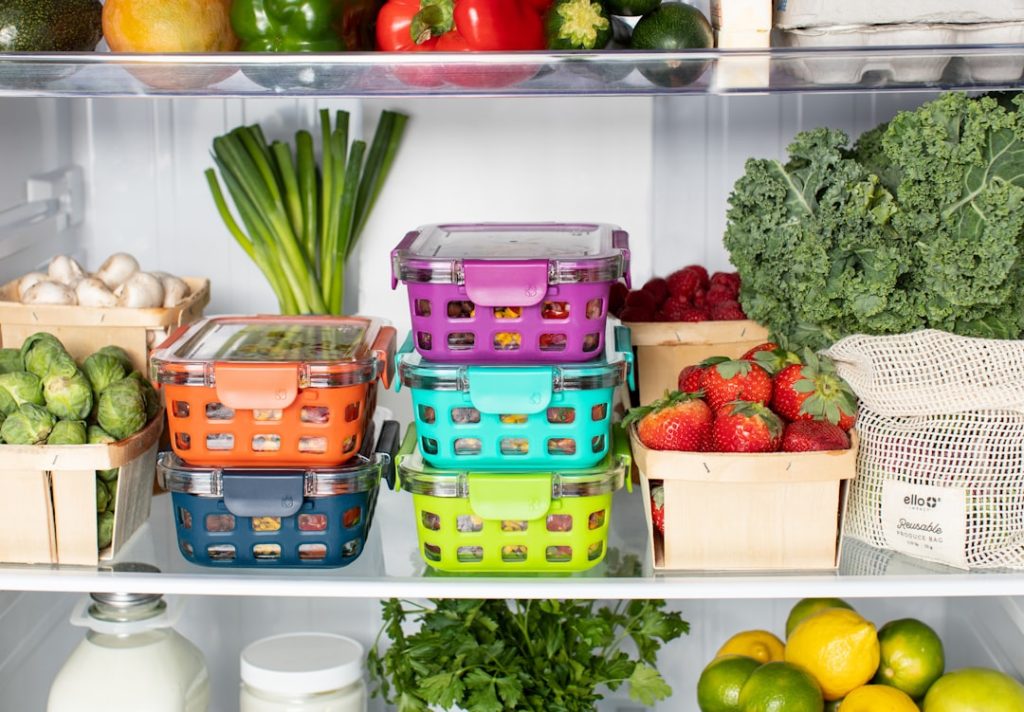
In my years as a nutritionist, I’ve witnessed countless clients throw away perfectly edible food simply because it doesn’t look picture-perfect anymore. This wasteful habit has reached staggering proportions – households discard roughly one-third of their grocery purchases annually, amounting to millions of tonnes of food waste.
What concerns me most is how economic pressures are creating a dangerous paradox. While families struggle with rising grocery costs and increasingly rely on food assistance programs, they’re simultaneously making riskier decisions about food safety. This is exactly the wrong approach, and frankly, it’s completely unnecessary with the right knowledge.
The Critical Warning Signs You Cannot Ignore
Let me be absolutely clear about this: certain deteriorated foods pose genuine health risks that no amount of creativity can fix. I always tell my clients to immediately discard anything showing these four danger signals:
- Any visible mold growth
- Slimy texture development
- Liquid seepage or unusual moisture
- Pungent or acidic odors
These indicators suggest bacterial contamination that can lead to serious foodborne illness. No money-saving measure is worth risking your family’s health with stomach pain, nausea, or worse complications.
However – and this is where most people go wrong – surface changes like wrinkling, browning, or drying typically indicate aging rather than dangerous spoilage. Understanding this distinction is crucial for anyone serious about reducing waste while maintaining safety.
Transforming Tired Fruits Into Culinary Gold
Those overripe bananas that make people cringe? They’re actually nutritional powerhouses perfect for baking and smoothies. The increased sugar content from natural ripening makes them ideal for bread recipes and breakfast drinks. Pro tip: store aging bananas separately since they release ethylene gas that accelerates ripening in nearby produce.

Wrinkled apples might look unappetizing, but they’re excellent candidates for cooking applications. The texture changes that occur during aging actually make them more suitable for stewing and baking than their crisp counterparts.
For citrus fruits with tough, dried peels, I recommend focusing on the zest and interior flesh. The concentrated oils in aged citrus peels can enhance baked goods, while the juice remains perfectly usable for beverages and marinades.
When dealing with moldy firm fruits, strategic cutting can salvage most of the product. Remove contaminated areas with generous margins – at least several centimeters beyond visible mold. However, I never recommend this approach with soft or small fruits like berries, where mold penetrates too extensively.
Vegetable Revival Strategies That Actually Work
Wilted vegetables frustrate home cooks, but they shouldn’t end up in the trash. These moisture-depleted ingredients excel in cooked preparations like soups, stews, and roasted dishes where texture matters less than flavor.
For leafy greens, an ice-water revival technique can restore surprising freshness. Separate leaves and submerge them in cold water for thirty minutes minimum. This rehydration process often brings back enough crispness for salad use.
Firm vegetables like potatoes and carrots can usually be salvaged by removing damaged portions. Watch for extensive greening or sprouting in potatoes, though – these indicate solanine toxin development that poses genuine health risks.

That white fuzz on mushrooms often alarms people unnecessarily. It’s typically mycelium – part of the mushroom’s natural root system – rather than harmful mold. True mold appears as distinct, colorful patches in blue, green, or yellow clusters.
Grain and Dairy Guidelines for Maximum Safety
Moldy bread requires immediate disposal due to mold’s ability to penetrate porous structures extensively. However, stale bread without mold contamination transforms beautifully into croutons, breadcrumbs, or toast.
Leftover cooked grains demand careful handling. They’re safe for several days when properly refrigerated and thoroughly reheated to at least 60°C. Never leave cooked rice or pasta at room temperature beyond two hours – bacterial growth in this timeframe creates risks that reheating cannot eliminate.
Dairy products present unique challenges since they’re typically consumed without heat treatment that kills bacteria. I strongly advise discarding any dairy past its use-by date. The risk-benefit calculation simply doesn’t favor experimentation here.
For cheese, the type determines salvage potential. Soft cheeses with any mold should be completely discarded since contamination spreads throughout. Hard cheeses like parmesan allow for strategic mold removal with generous cutting margins.
Who Benefits Most From These Strategies
These food salvage techniques particularly benefit families managing tight grocery budgets, environmental enthusiasts committed to waste reduction, and anyone interested in maximizing their food investment. However, they’re not suitable for immunocompromised individuals, pregnant women, or anyone with heightened infection risks who should prioritize absolute food safety over cost savings.
The key insight I want readers to understand is that food rescue requires knowledge, not just good intentions. With proper techniques and realistic risk assessment, you can significantly reduce waste while maintaining safety standards that protect your health and budget simultaneously.
Photo by Sinitta Leunen on Unsplash
Photo by Gareth Hubbard on Unsplash