
AMD Targets Budget Gaming Market with Two Strategic Processor Releases
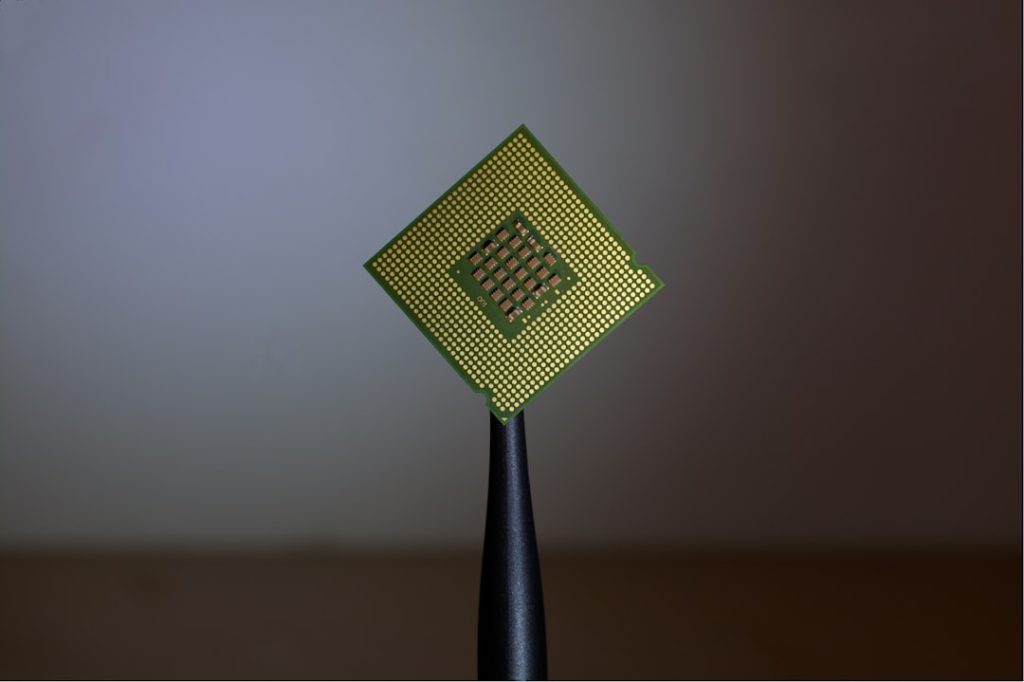
In my view, AMD’s latest processor announcements represent a shrewd response to current market realities. While the tech industry often obsesses over flagship products, the company’s decision to focus on sub-$350 gaming chips shows they understand what consumers actually need right now.
The newly announced Ryzen 7 7700X3D, launching July 16th at $329, brings 3D V-Cache technology to the AM5 platform at a more accessible price point. This 8-core, 16-thread processor features 104MB of total cache and reaches boost speeds up to 4.5GHz with a 120W thermal design power. What I find particularly compelling is how this chip democratizes high-end gaming performance without the typical premium pricing.
Strategic Revival of Legacy Platform Support
Perhaps more interesting is AMD’s decision to resurrect the Ryzen 7 5800X3D as a “10th Anniversary Edition” for $349, available June 25th. This move strikes me as brilliant market positioning. The original 5800X3D, which was AMD’s first consumer processor featuring 3D V-Cache technology, offers 8 cores, 16 threads, 100MB of cache, and a 4.5GHz boost clock within a 105W power envelope.

I believe this revival specifically targets users still running AM4 systems who want meaningful performance upgrades without platform migration costs. Given the current memory market conditions, this approach makes tremendous sense for budget-conscious enthusiasts.
Who Benefits Most from These Releases
These processors are ideal for several specific user groups. Gamers seeking solid 1440p performance without flagship pricing will find excellent value here. The 7700X3D particularly appeals to those ready to embrace the AM5 ecosystem, which AMD supports through 2029. Meanwhile, the revived 5800X3D serves AM4 users who want to maximize their existing platform investment.
However, these chips aren’t for everyone. Content creators requiring maximum multi-threaded performance should look elsewhere, as should users planning 4K gaming at maximum settings. The moderate boost clocks also mean these processors won’t satisfy overclocking enthusiasts seeking absolute peak performance.

Market Timing and Consumer Impact
What impresses me most is AMD’s timing. With memory shortages making complete system builds prohibitively expensive for many, offering meaningful upgrade paths within existing platforms shows market awareness. The 5800X3D revival particularly demonstrates how manufacturers can serve customers during component shortages.
I expect these releases to pressure competitors into similar value-focused offerings. The gaming market has room for processors that prioritize price-performance balance over benchmark supremacy, and AMD appears to recognize this opportunity.
For most gaming enthusiasts, these processors represent the sweet spot between performance and affordability that the market desperately needs right now.
Photo by Brian Kostiuk on Unsplash
Photo by Olivier Collet on Unsplash