
Graphics Giant Makes Bold Entry Into Consumer Laptop Market with Revolutionary Chip
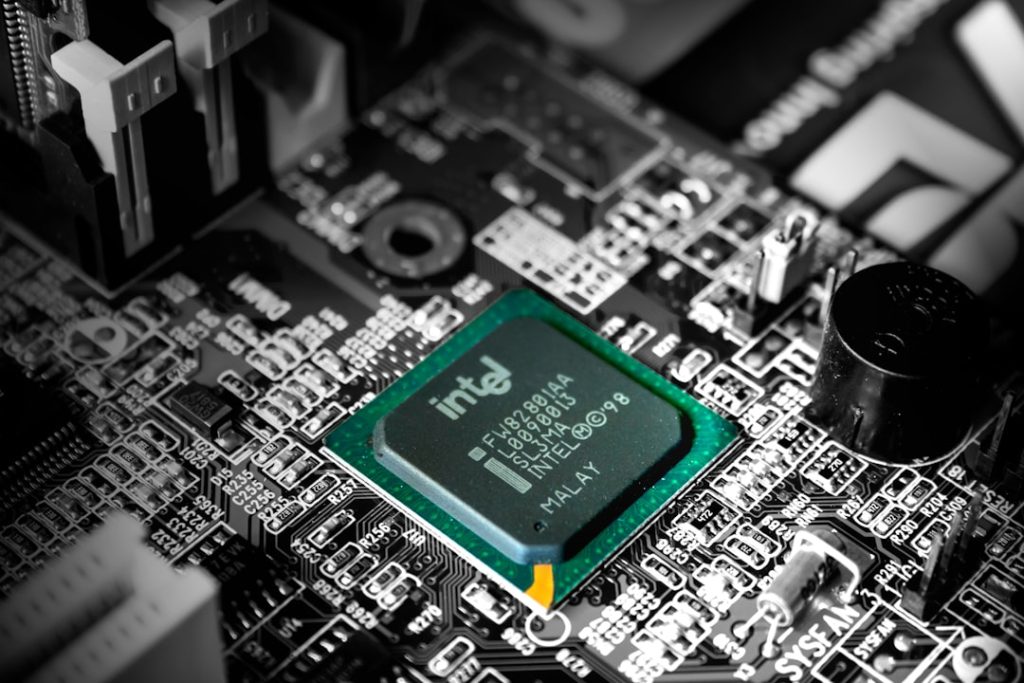
The computing landscape is about to experience another seismic shift, and frankly, it’s about time. A major graphics chipmaker has just unveiled what they’re calling the most power-efficient PC processor ever created, marking their first serious foray into complete system-on-chip design for consumer laptops.
This move represents more than just another product launch—it’s a direct challenge to the established order of laptop computing. I believe this could be the catalyst that finally breaks the stranglehold that traditional x86 processors have maintained over the Windows laptop market for decades.
What Makes This Chip Different
The new RTX Spark processor combines 20 CPU cores with over 6,000 GPU cores and up to 128GB of unified memory in a single package. What’s particularly compelling is that this ARM-based design promises to deliver desktop-class graphics performance while maintaining the power efficiency that has made Apple’s M-series chips so successful.
The company claims users will be able to handle intensive tasks like rendering massive 3D scenes, editing 12K video, or playing demanding games at high frame rates—all without being tethered to a power outlet. If these claims prove accurate, this could fundamentally change how we think about portable computing power.
Who This Really Benefits
This development is primarily exciting for creative professionals and power users who have been waiting for a Windows alternative to Apple’s silicon. Video editors, 3D artists, and AI researchers will likely find the combination of massive unified memory and integrated AI acceleration particularly appealing.

However, I’m skeptical about the broader consumer appeal, at least initially. The first wave of devices will target premium price points, which means most casual users won’t experience these benefits for years. Additionally, the ARM architecture means compatibility headaches for legacy software—something that could be a dealbreaker for many business users.
The AI Integration Angle
Perhaps the most intriguing aspect is the chip’s ability to run large AI models locally. The company envisions a future where users interact with their computers primarily through natural language rather than traditional interfaces. While this sounds revolutionary, I remain cautious about these grand promises.
The reality is that most people are still struggling with basic AI tools, let alone ready to abandon familiar interfaces for voice commands. The examples shown—like automatically adjusting streaming settings or generating complex 3D models from sketches—feel more like tech demos than practical everyday solutions.
Market Reality Check
What’s genuinely impressive is the industry support already secured. Major laptop manufacturers have committed to over 30 different models, with eight specific designs confirmed for this fall. This suggests the chip maker has learned from previous attempts to challenge the x86 dominance and secured crucial partnerships early.
The software ecosystem support is also more robust than I expected. Major creative applications, gaming titles, and even notorious anti-cheat systems are being adapted for ARM Windows. This addresses one of the biggest historical barriers to alternative architectures.

The Missing Pieces
Despite the bold claims, crucial details remain absent. No performance benchmarks, no pricing information, and no concrete battery life figures have been shared. The company’s refusal to provide comparative data against established competitors raises questions about whether the performance claims will hold up to scrutiny.
The limitation of not supporting discrete graphics cards could also prove problematic for desktop implementations, potentially constraining the chip’s appeal in high-end workstations.
Bottom Line Assessment
This represents the most credible challenge to traditional laptop architecture since Apple’s M1 revolution. For creative professionals willing to pay premium prices and deal with potential compatibility issues, these new machines could offer unprecedented portable performance.
However, mainstream adoption will depend heavily on real-world performance validation and broader software ecosystem maturation. The chip maker is making all the right moves with partnerships and developer support, but the ultimate test will come when these devices reach consumers’ hands this fall.
I believe this announcement marks the beginning of a significant shift in the Windows laptop market, even if the full impact won’t be felt for several years. The question isn’t whether ARM-based Windows machines will succeed, but how quickly they can overcome the compatibility and cost barriers that have historically limited alternative architectures.
Photo by Slejven Djurakovic on Unsplash
Photo by Thufeil M on Unsplash
Photo by Alexandre Debiève on Unsplash