
Breakthrough Week in Aerospace: Supersonic Innovation and Regulatory Challenges Shape the Future
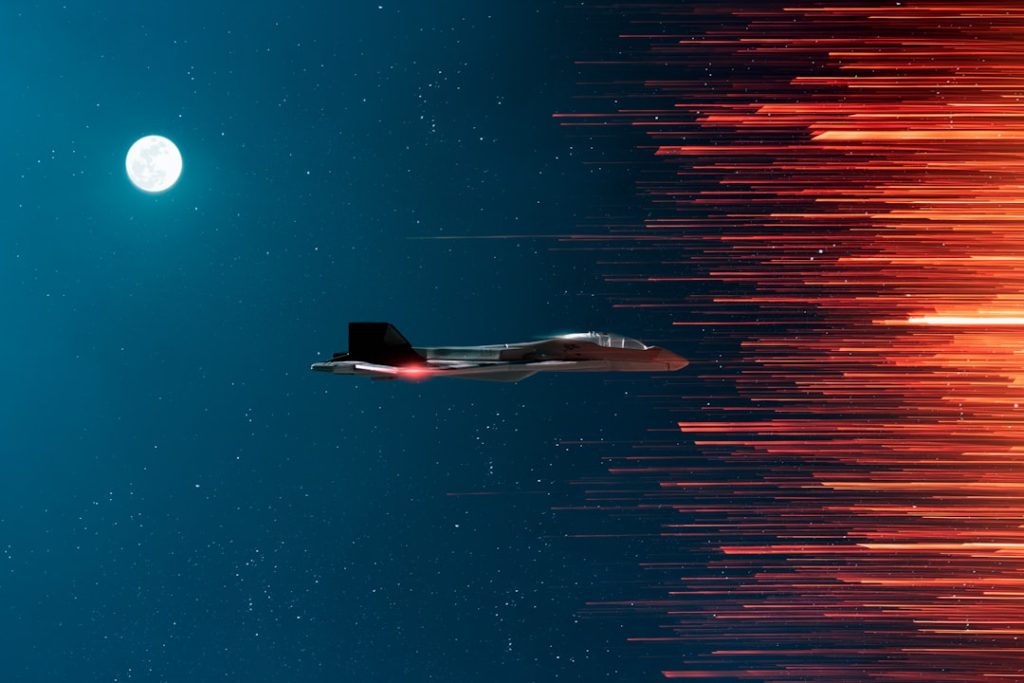
The aerospace industry delivered a fascinating mix of triumphs and setbacks this week, offering valuable insights into where space exploration and aviation technology are heading. From groundbreaking supersonic aircraft testing to regulatory interventions in commercial spaceflight, these developments reveal both the promise and challenges facing modern aerospace ventures.
Revolutionary Quiet Supersonic Technology Reaches Critical Testing Phase
NASA’s experimental X-59 aircraft represents what I believe could be a game-changing moment for commercial aviation. After years of development and initial flight testing since October, this innovative aircraft is finally approaching its supersonic trials in early June. The plane aims to achieve speeds exceeding 630 mph at 43,000 feet altitude, with subsequent tests pushing to 925 mph and ultimately 1,218 mph at 60,000 feet.
What makes this particularly exciting is the aircraft’s potential to eliminate the disruptive sonic booms that have historically limited supersonic flight over populated areas. This technology matters enormously for business travelers and the aviation industry broadly, though I suspect the benefits won’t reach everyday passengers for many years due to cost considerations.

The current testing phase involves a traditional chase aircraft, which means the quiet supersonic capabilities won’t be fully demonstrated yet. This cautious approach makes sense from a safety perspective, but it also highlights how experimental this technology remains. For aerospace engineers and aviation enthusiasts, this represents a pivotal moment. For the general public, however, the practical benefits remain distant.
Commercial Space Industry Faces Regulatory Reality Check
The Federal Aviation Administration’s decision to ground a major commercial spacecraft following last week’s test flight mishap demonstrates the complex regulatory landscape facing private space companies. The incident occurred when the Super Heavy booster failed to complete its planned soft splashdown after separating from the main vehicle, instead experiencing what officials termed a “hard splashdown” in the Gulf.
While the upper stage successfully completed its mission and landed as planned in the Indian Ocean, the booster’s engine ignition problems during its return journey triggered an automatic investigation. This regulatory response reflects what I see as appropriate oversight of an industry pushing technological boundaries at unprecedented speed.

These groundings have become routine in the commercial space sector, and companies typically resume operations relatively quickly after addressing identified issues. The pattern suggests that while setbacks are inevitable in cutting-edge aerospace development, the regulatory framework is working as intended to balance innovation with public safety.
Broader Implications for Aerospace Innovation
This week’s events underscore a critical tension in modern aerospace: the race to achieve breakthrough capabilities while maintaining rigorous safety standards. The supersonic aircraft development represents the kind of long-term, methodical approach that could revolutionize air travel, while the commercial space incidents highlight the iterative, rapid-testing philosophy driving space exploration forward.
For investors and industry stakeholders, these developments signal both opportunity and risk. The supersonic technology could eventually transform business aviation and potentially commercial flights, benefiting frequent travelers and time-sensitive industries. However, the regulatory challenges facing space companies remind us that even successful missions can face scrutiny when systems don’t perform perfectly.
The week also featured significant developments in lunar mission planning and astronomical discoveries, including observations of ancient supermassive black holes that challenge our understanding of early universe formation. These scientific advances, while less immediately practical than transportation innovations, continue expanding human knowledge and capabilities in space.
Looking ahead, I believe we’re witnessing a maturation of the commercial aerospace sector, where breakthrough innovations must increasingly prove themselves through rigorous testing and regulatory compliance. This evolution benefits serious industry participants while potentially weeding out less committed players, ultimately strengthening the foundation for future aerospace achievements.
Photo by Iván Díaz on Unsplash
Photo by Sergey Koznov on Unsplash