
Nature’s Silent Predator: How Barn Owl Feathers Revolutionize Quiet Flight
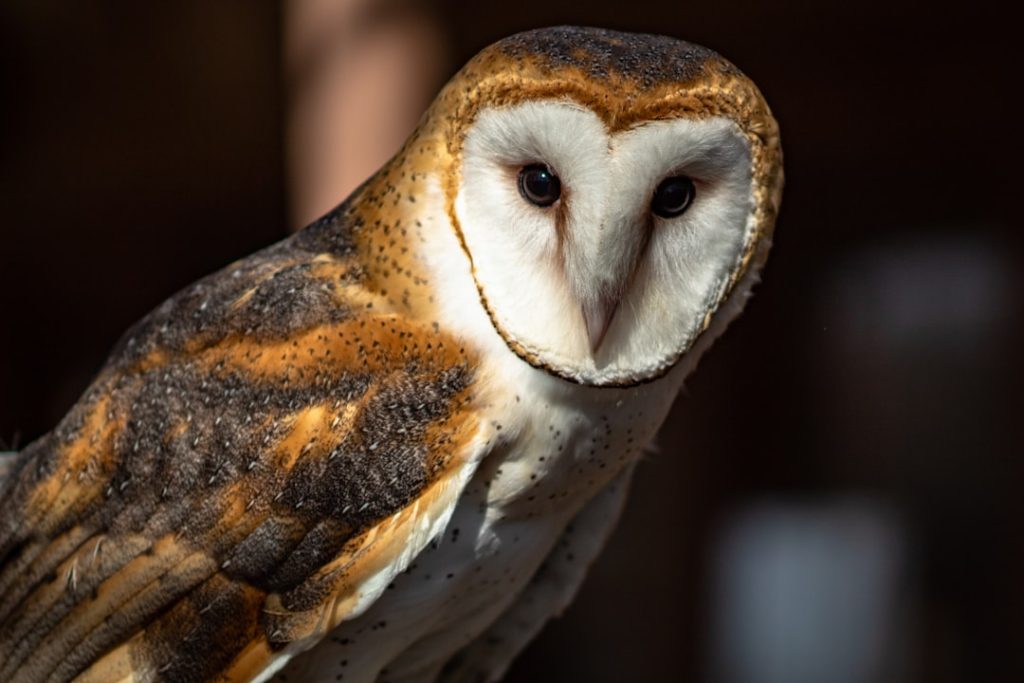
The barn owl stands as one of nature’s most sophisticated aerial predators, and I believe their feather design represents one of the most remarkable examples of evolutionary engineering we can study today. What makes these nocturnal hunters so extraordinary isn’t just their hunting prowess, but the ingenious biomechanical solutions their feathers provide for silent flight.
The Architecture of Silence
Unlike conventional bird feathers, barn owl plumage features unique structural adaptations that virtually eliminate flight noise. The leading edge of their primary feathers contains comb-like serrations that break up airflow, while the trailing edges are equipped with soft, fringe-like extensions. This dual-system approach creates what I consider to be nature’s most effective noise-cancellation technology.
For aerospace engineers and biomimicry researchers, this represents an invaluable blueprint. The applications could revolutionize everything from drone technology to wind turbine design, though I suspect most people underestimate just how challenging it would be to replicate this natural system artificially.

Beyond Stealth: Multi-Functional Design
What truly impresses me about barn owl feathers is their multi-purpose functionality. The same structures that enable silent flight also provide exceptional insulation and waterproofing. The downy underlayer traps air for thermal regulation, while the outer feathers repel moisture effectively.
This integrated approach offers valuable lessons for materials scientists and product designers. Instead of creating separate solutions for different problems, nature demonstrates how single systems can address multiple challenges simultaneously. However, I think this complexity is precisely why human-engineered alternatives often fall short of natural solutions.
Implications for Modern Technology
The potential applications of barn owl feather technology extend far beyond aviation. Wind energy companies could benefit enormously from noise-reduction innovations, particularly as turbines face increasing opposition from communities concerned about sound pollution. Similarly, automotive manufacturers working on electric vehicles might find inspiration in these natural noise-dampening mechanisms.

For researchers and engineers specifically, barn owl feathers represent a masterclass in efficient design. However, I believe the average person might not fully appreciate the engineering complexity involved in these seemingly simple structures. The challenge lies not just in understanding how they work, but in developing cost-effective manufacturing processes that can replicate their functionality.
Who Benefits Most
This research is particularly valuable for professionals in aerospace, renewable energy, and materials science. Students and researchers focused on biomimicry will find these natural solutions endlessly fascinating and practically applicable. However, those looking for immediate commercial applications might be disappointed by the timeline required to translate biological insights into marketable products.
The barn owl’s feather system reminds us that nature often provides the most elegant solutions to complex engineering problems. While we may not fully replicate these designs immediately, studying them continues to push the boundaries of what’s possible in silent, efficient flight technology.
Photo by Joshua J. Cotten on Unsplash
Photo by Heather Wilde on Unsplash
Photo by Corinne Titcomb on Unsplash